Sheet Metal Prototype Manufacturers: Affordable 1-3 Unit Runs | EasoonMade
Sep 17,2026 | Tommy
Sheet Metal Prototype Manufacturers?
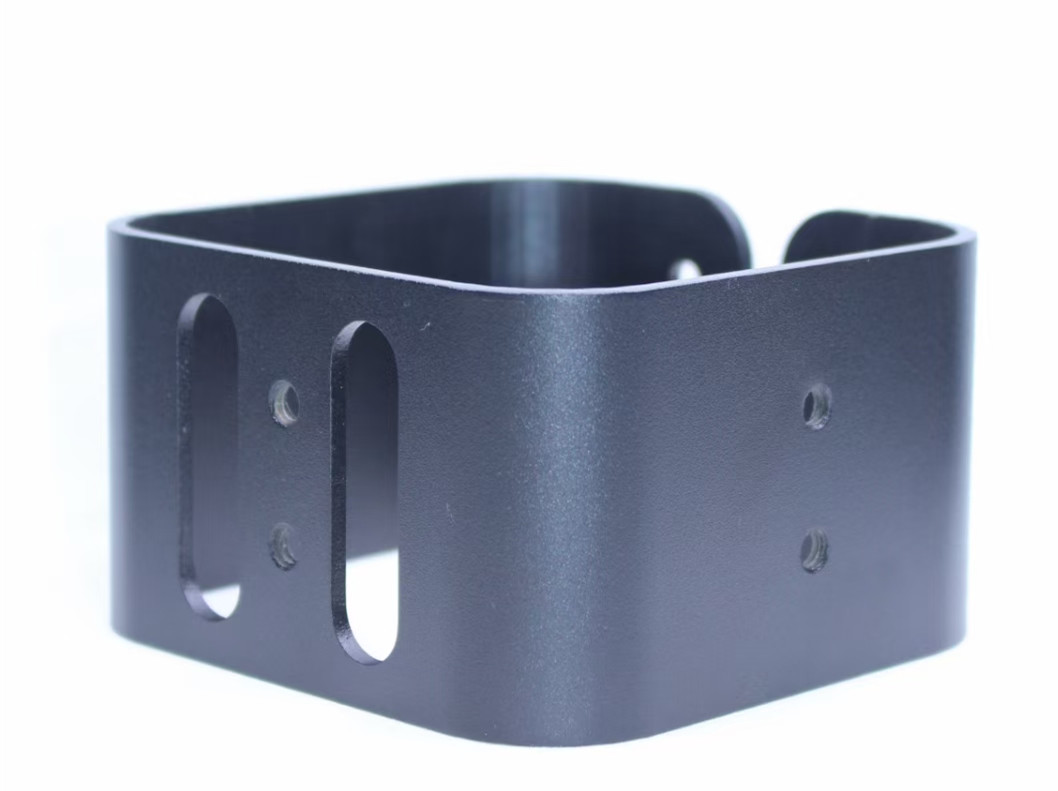
This is the "Prototype Premium" complaint in its purest form: a small enclosure — 5" x 3" x 3", 5052 aluminum, 2D and 3D CAD files already done — needs just 1 to 3 units, and the quotes that come back exceed $200 per unit, with local shops openly described as expensive for what looks like a simple bent box.
For anyone only needing a handful of parts, several hundred dollars for what feels like basic sheet metal work reads as a rip-off. There's a real technical reason behind that gap, though — and a practical way around it. This guide breaks down why local quotes land where they do, and how specialized sheet metal prototype manufacturers deliver the same 5052 aluminum quality at a fraction of the price.
TL;DR: The Core Conclusion
The $200+ price on a single 5052 aluminum enclosure isn't really about the material — it's setup and programming time. Most local job shops are built for high-volume runs and pass a "nuisance fee" onto small orders to cover that overhead. Getting the price down for 1–3 units means working with a manufacturer using automated CNC laser cutting and universal press-brake tooling that doesn't require custom setup for a standard enclosure shape. That kind of streamlined digital-to-fabrication workflow can often cut prototype cost by 50% or more.
The Pain Points: Why "Simple" Prototypes Cost So Much
The Programming-to-Production Ratio. Laser cutting a 5x3x3 enclosure's flat pattern takes only minutes. Importing the CAD, verifying the K-factor (bend allowance), and programming the laser and press brake can take 30–60 minutes of an engineer's time — that labor, not the aluminum, is what's actually being priced.
Material Minimums. 5052 aluminum is inexpensive per pound, but shops typically buy it in full 4' x 8' sheets. Without an existing drop or off-cut sized for a small part, a customer can end up paying for far more material than the part actually uses.
Setup Labor for Bending. Each bend needs the correct die and punch set up on the press brake. For a multi-sided enclosure, that setup time frequently exceeds the actual bending time itself.
Local Shop Overhead. Smaller local shops often lack fiber lasers and automated tool changers, keeping their labor costs — and by extension, their prototype quotes — structurally higher than a shop built around high-throughput automated equipment.
5 Solutions: Closing the Sheet Metal Prototyping Price Gap
- CAD-Direct Fiber Laser Cutting High-precision CNC fiber lasers reading CAD files directly eliminate manual programming and its associated errors. For a compact enclosure like this, cutting speed is fast enough that cutting cost becomes almost negligible, shifting the real cost focus to bending and finishing where it actually belongs.
- Universal Bending Tooling on Hand A wide library of universal V-dies and gooseneck punches covers the vast majority of standard enclosure geometries. When a design fits an existing tooling setup, there's no custom tooling charge to pass along — the part simply fits into the shop's existing workflow.
- Standardizing on 5052-H32 Aluminum 5052 is a strong choice for enclosures specifically because it's a forming-grade alloy — it bends cleanly without the micro-cracking that can occur with a machining-grade alloy like 6061. A shop that processes 5052 as its house material daily typically has off-cuts on hand, so a small part gets charged for the material it actually uses rather than a full sheet.
- Digital DFM Review Before Cutting A CAD model that looks correct on screen can still fail physically if a flange is too short or a hole sits too close to a bend line. Catching those issues digitally — verifying bend radii against standard tooling before any metal is cut — removes the single biggest driver of expensive prototype rework.
- Batching Across Multiple Customers' Orders The real lever for lowering a 1–3 unit price is volume — just not the individual customer's volume. Nesting dozens of small prototype orders from different clients onto one large sheet keeps the laser running continuously and spreads the machine's hourly overhead across many orders instead of one, which is how a $200 quote comes down meaningfully.
Comparison: Local Shop vs. Online Broker vs. Agile Prototype Factory
|
Feature |
Local Job Shop |
Big Online Broker |
Agile Prototype Factory (EasoonMade) |
|
Typical Quote (1–3 units) |
$200–$350 |
$150–$250 |
$80–$130 |
|
Lead Time |
2–3 Weeks |
10–14 Days |
5–8 Days |
|
Material Quality |
Good |
Variable (Third-party) |
Verified 5052-H32 |
|
Communication |
Phone/In-person |
Automated Support |
Direct Engineering Review |
|
Finishing Options |
Limited |
Broad |
Powder Coat, Anodize, Silk Screen |
FAQ: Navigating Sheet Metal Prototyping
Q: Why is 5052 aluminum better for enclosures than 6061? A: 6061 is a machining-grade alloy prone to micro-cracking along a bend line when formed at 90 degrees. 5052 is specifically a forming-grade alloy, designed to bend and shape without losing structural integrity — which is why it's the industry standard for electronic enclosures.
Q: What can I do on my end to lower the quote? A: Two things help the most: keep bends at 90 degrees where possible to simplify tooling, and make sure flange length is at least 4 times the material thickness — a shorter flange can't be held securely in the press brake and forces custom jigging, which drives cost up.
Q: Do you need flat patterns, 3D models, or both? A: Ideally both. The 3D model (STEP/IGS) shows the finished enclosure shape, while the 2D flat pattern (DXF/DWG) gives exact laser-cutting dimensions. A 3D-only file can usually be unfolded, but supplying both speeds up the quoting process.
Q: Is finishing worth it for just 1–3 prototypes? A: Finishing processes like powder coating typically carry a minimum batch fee (often around $100), which is disproportionate at this quantity. As-machined or orbital-sanded finishes look professional and keep total cost well under the $200 range for a small prototype run.
Q: Can hardware like PEM nuts or standoffs be installed at the prototype stage? A: Yes — self-clinching fasteners can be installed during fabrication so PCBs or internal components can be bolted in immediately on arrival, without a separate assembly step later.
Why a Specialized Sheet Metal Prototype Manufacturer Is the Right Partner
Paying $200+ for a small aluminum enclosure is a real barrier for early-stage R&D — and it's not actually a reflection of what the part costs to make once the process is optimized for small batches. Combining the speed of digital, CAD-direct manufacturing with real engineering DFM review is what makes the 1–3 unit customer economically viable instead of an afterthought squeezed into a shop's high-volume schedule.
Ready to beat those $200+ quotes? Upload your CAD files to EasoonMade today for a fast, human-verified sheet metal quote.
Comment