CNC Metal Prototyping for Functional Testing: When to Switch | EasoonMade
Sep 17,2026 | Tommy
When do you actually need to switch from plastic prototypes to CNC metal parts?
Every hardware project reaches this fork eventually. The plastic prototype looks right, fits right, and has answered every question it can answer — but the next round of testing involves heat, sustained load, or a bolt that needs to go in and out more than once. The real question stops being "how do I make a nicer plastic print" and becomes "how do I know it's actually time to spend real money on metal."
This is a genuinely useful question to get right. Switching to metal too early wastes budget on precision the design doesn't need yet. Switching too late means collecting test data from a material that can't tell you the truth about how the part will actually perform. This guide is a decision framework for that transition, not just a cost-cutting checklist.
TL;DR: The Core Conclusion
The signal to move from plastic to CNC metal isn't a calendar date or a budget milestone — it's the type of question the next test needs to answer. If the test involves heat above roughly 100°C, sustained mechanical load, repeated fastener cycles, or anything meant to simulate real-world wear, plastic data is no longer trustworthy and a metal functional prototype is the only way to get an honest answer. Once that threshold is crossed, keeping the metal transition affordable is a matter of standardizing on 6061-T6 aluminum, designing for simple 3-axis machining, and accepting an as-machined finish for a 5–20 unit learning run.
The Pain Points: Why It's Hard to Know When to Make the Jump
Plastic Can Lie Convincingly. A plastic prototype can fit perfectly and even feel sturdy in hand while giving completely misleading data about how a part will behave under real thermal or mechanical stress — the failure only shows up once metal-like conditions are actually applied.
The Cost Jump Feels Arbitrary. Going from a $30 print to a $300+ metal part with no obvious justification in between makes the decision feel like guesswork rather than an engineering call tied to a specific test requirement.
Uncertainty About What Actually Needs Metal. Not every part in an assembly needs to move to metal at the same time — but without a clear framework, it's easy to either over-spend by metal-izing the whole assembly at once, or under-test by staying in plastic too long on the one part that actually needed the switch.
Repeated Redesign Risk. Committing to metal prematurely, before the design has stabilized through plastic iteration, risks paying for CNC setup and programming on a geometry that's about to change again.
Setup Cost Sticker Shock. Once the decision to switch is made, the first metal quote often looks 50x the plastic print price — which can make engineers second-guess a decision that was actually correct, simply because the pricing model wasn't expected.
5 Solutions: Making the Switch at the Right Time, Affordably
- Use a Test-Type Checklist, Not a Budget Threshold Before ordering metal, check whether the next test genuinely requires it: does it involve heat above roughly 100°C, sustained or cyclic load, or repeated fastener cycles? If yes to any of these, plastic data would be unreliable and metal is the correct next step — regardless of what stage the project is otherwise at.
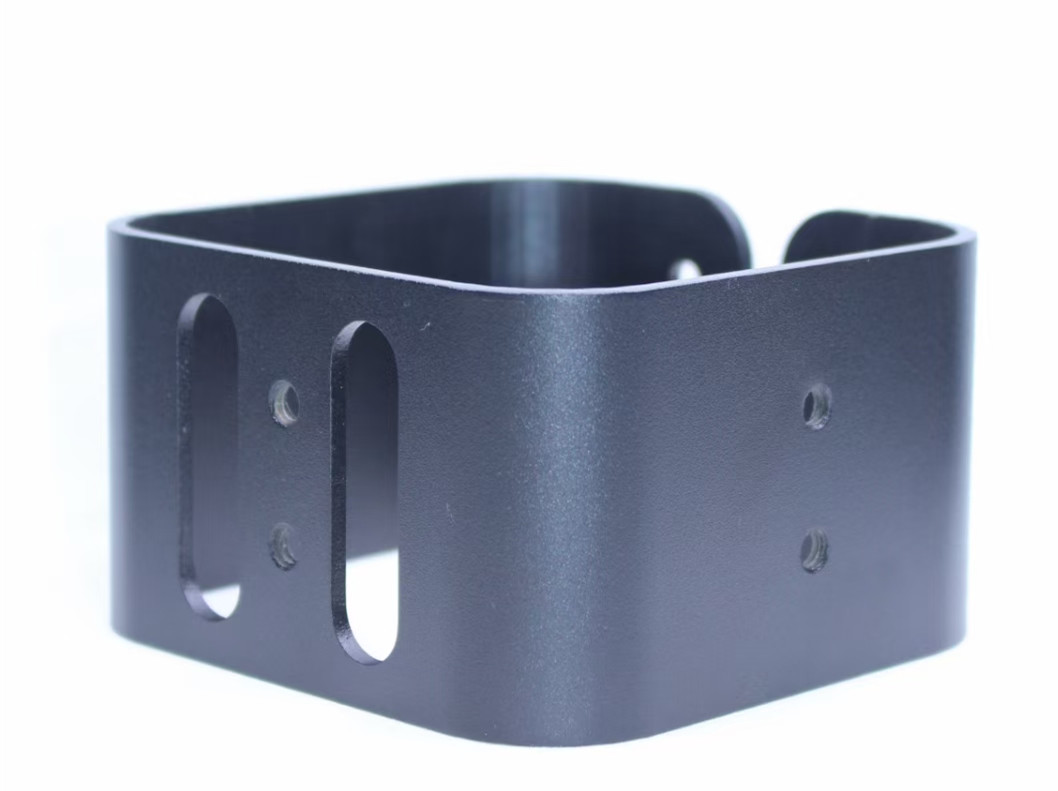
- Move Only the Parts That Need It An assembly doesn't need to switch to metal all at once. Identifying the specific component under thermal or mechanical stress — a bracket near a heat source, a housing taking repeated bolt cycles — and machining only that part in aluminum while the rest stays in plastic keeps cost proportional to actual engineering risk.
- Standardize on 6061-T6 for the First Metal Run For the large majority of functional prototypes, 6061-T6 aluminum is the fastest-machining, most cost-effective metal available, and more than sufficient for brackets, housings, and most structural test parts. Reserving 7075 or stainless steel for cases with a specific, confirmed requirement keeps early metal runs affordable.
- Design for 3-Axis Machining Before Committing to Metal If a part's geometry can be simplified to machine from one or two sides — avoiding the multiple setups that drive up CNC cost — doing that simplification before the first metal order, not after a high quote comes back, is what keeps the transition from feeling expensive.
- Treat the First Metal Batch as a Learning Run, Not a Final Part Ordering 5 units instead of 1 adds only a modest amount to the total price once setup is already paid for, and gives room for destructive testing on one unit while keeping others for assembly — which is a more efficient use of the "switch to metal" budget than ordering a single part and hoping it survives every test.
Comparison: Plastic Prototype vs. CNC Metal Prototype by Test Type
|
Test Type |
Plastic (SLA/FDM) Reliable? |
Metal (CNC) Needed? |
|
Ergonomics / Fitment Check |
Yes |
No |
|
Visual / Marketing Mockup |
Yes |
No |
|
Heat Exposure Above 100°C |
No |
Yes |
|
Sustained Mechanical Load |
No |
Yes |
|
Repeated Fastener Cycles |
No |
Yes |
|
Vibration / High-Speed Rotation |
No |
Yes |
|
Precision Mating Surface Fit |
Limited |
Yes |
FAQ: Deciding When to Move to Metal
Q: Is there a rule of thumb for "how many iterations" before switching to metal? A: Iteration count matters less than test type — a design that's still changing weekly should generally stay in plastic even for a dozen rounds, while a stable design about to face its first real load or heat test should move to metal immediately, even on iteration one.
Q: Can I test some things in plastic and others in metal on the same part? A: Yes, and it's often the most efficient approach — validate fitment and ergonomics cheaply in plastic first, then move only to metal once the geometry is stable enough that the CNC setup cost won't be wasted on a design that's about to change again.
Q: How much more expensive is the first metal part really? A: The jump can look like 10–50x the price of a plastic print, but that's almost entirely setup and programming cost, not material — ordering a small batch instead of a single unit brings the effective per-part cost down substantially.
Q: What if I'm not sure whether my test really needs metal? A: If there's genuine uncertainty, it's worth asking whether the test result would actually change engineering decisions — if a failure in plastic (that wouldn't happen in metal) could lead to a wrong conclusion about the design, that's a sign metal is the safer choice.
Q: Does moving to metal mean giving up design flexibility? A: Not necessarily — treating the first metal run as a small learning batch (5 units rather than a large order) keeps the cost of a subsequent design change reasonable, compared to committing to a large production-style metal order too early.
Why EasoonMade Is the Right Partner for This Transition
The hardest part of this decision usually isn't the engineering — it's not having a clear framework for when the switch is actually justified, and then being caught off guard by the pricing model once the decision is made. A partner who treats a 5-unit learning run with real engineering attention, rather than as a nuisance order squeezed between production jobs, makes both sides of that decision easier.
Ready to find out if it's time to switch to metal? Upload your CAD files to EasoonMade today for a transparent CNC quote and a free DFM review.
Comment