Can anyone recommend a Chinese sheet metal shop that is willing to do small quantities
Sep 22,2026 | Tommy
Can anyone recommend a Chinese sheet metal shop that is willing to do small quantities (1-3 unit)?
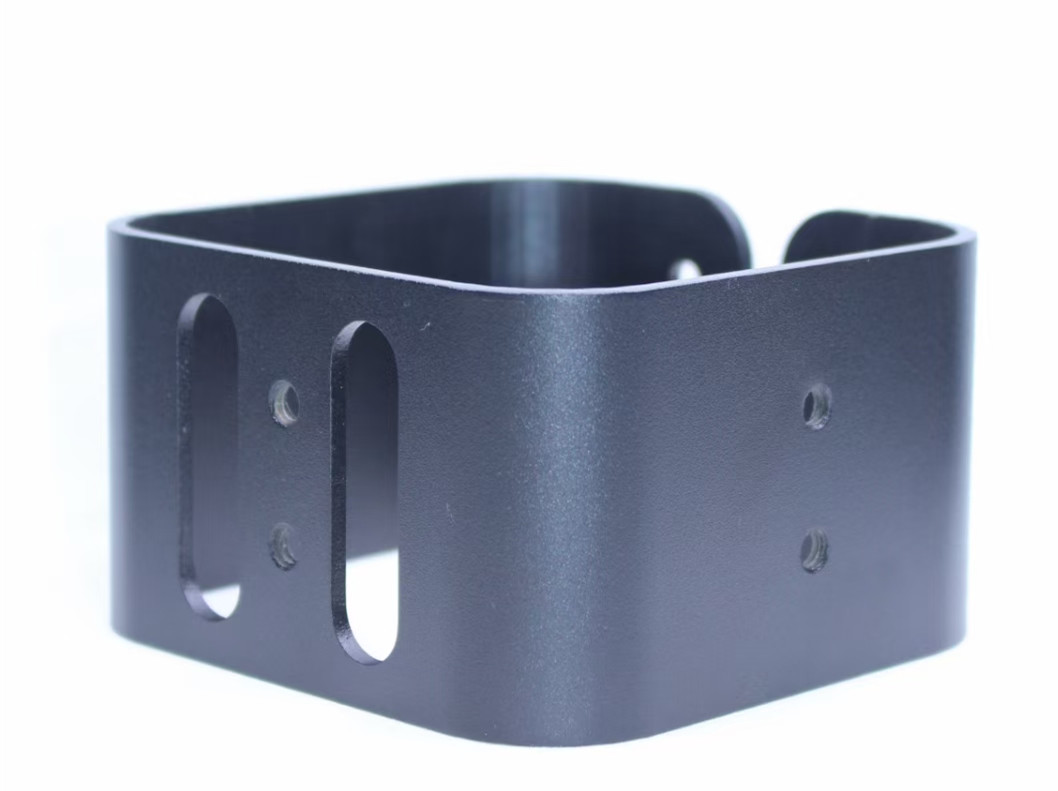
This is one of the most common questions in hardware prototyping circles, and it usually comes with a specific, frustrated number attached. On r/manufacturing, one engineer put it plainly: simple aluminum sheet metal parts — a basic 5" x 3" x 1" pan — for an initial prototype were coming back from US suppliers at over $200 per unit. The ask was direct: a Chinese sheet metal shop willing to do 1–3 units for under $100.
That target isn't unrealistic. It's actually the normal price point once you understand what's driving the $200+ domestic quote in the first place — and it isn't the material or the cutting time.
This guide breaks down why single-unit sheet metal quotes get inflated, what a realistic sub-$100 landed cost actually looks like sourcing from China, and five concrete ways to get there without sacrificing quality.
TL;DR: Summary & Key Takeaways
- Domestic quotes are high because of fixed costs, not part complexity. US job shops charge the same CAM programming, laser setup, and press brake tooling fee whether you order 1 piece or 1,000. On a single unit, that fixed cost is the price.
- Sub-$100 is realistic sourcing directly from China. Simple aluminum pans typically run $15–$40 per part from agile fabricators with automated fiber lasers and CNC press brakes.
- Shipping is the line item people forget to budget. Express air freight (DHL/FedEx) usually adds $30–$50 for a small prototype shipment — factor it in, but it still lands comfortably under $100 total.
- Small design changes meaningfully lower unit price. Standardizing bend radii, hole placement, and material gauge removes labor hours a shop would otherwise charge for.
- Easoonmade has no minimum order quantity — a single prototype tray gets the same engineering attention as a 10,000-piece production run.
Pain Point Restated: Why Are 1–3 Unit Sheet Metal Quotes So Expensive?
The math behind a $200+ quote on a simple part isn't arbitrary — it comes from four specific cost drivers stacked on top of a small job.
Fixed setup costs dwarf variable material costs at low volume. Cutting 5052 or 6061 aluminum on a 6kW fiber laser takes seconds. But CAM programming, loading the laser bed, setting press brake backgauges, and running a bend test can eat 30 to 60 minutes of skilled labor — and that labor cost doesn't shrink because you only ordered one part.
Shop minimum billing exists specifically to protect margin on small jobs. Many domestic shops enforce a flat $150–$300 minimum charge to cover administrative overhead and machine downtime between runs, regardless of how simple the geometry is.
Overkill process selection inflates simple geometry pricing. A shallow 5"x3"x1" tray doesn't need custom tooling, but unoptimized CAM nesting on a small sheet remnant — rather than a properly planned cut layout — drives up the vendor's own scrap cost, which gets passed straight to your quote.
One-off orders get treated as exceptions, not standard workflow. A shop built around production runs has to interrupt its normal process to accommodate a true one-piece order, and that friction shows up as price.
5 Practical Solutions for Low-Volume Sheet Metal Prototypes
Solution 1: Partner with an on-demand Chinese sheet metal shop (recommended)
Best for: fastest lead times, lowest total landed cost, transparent pricing, and guaranteed precision on 1–3 piece orders.
A specialized digital manufacturing partner bridges the gap between inflated domestic pricing and genuine overseas factory capability.
- No minimum order quantity. One prototype tray or 10,000 production enclosures receive identical engineering focus — pricing scales with the part, not with an artificial job minimum.
- High-speed fiber laser cutting eliminates the need for expensive stamping dies or hard tooling on simple geometry.
- Integrated CNC bending — automated multi-axis press brakes set up instantly for a 5"x3"x1" pan configuration using standard tooling, no custom die required.
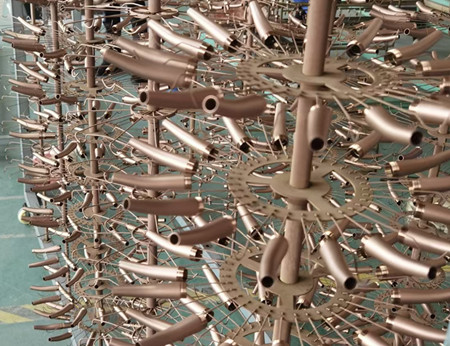
- Turnkey finishing — in-house anodizing, powder coating, sandblasting, and PEM fastener installation, so parts arrive assembly-ready rather than needing a second vendor.
Solution 2: Optimize your design for sheet metal (DFSM)
Best for: lowering piece-part price across any vendor, domestic or overseas.
Small CAD adjustments cut real labor hours off the shop floor:
- Standardize bend radii — matching all bend radii to a single internal radius (1.0 mm or 1.5 mm, for example) eliminates die changes on the press brake entirely.
- Add relief cuts at flange corners — proper relief notches prevent tearout and remove a post-bend grinding step from the process.
- Keep holes clear of bend lines — placing mounting holes at least 2–3x the material thickness away from bend lines avoids hole distortion, which otherwise requires secondary reaming to correct.
None of these changes affect function or appearance. They just remove hidden labor a shop would otherwise bill for.
Solution 3: Select standard stock alloys and gauges
Best for: avoiding material surcharges and raw material lead time delays.
Material choice has a direct, often underestimated effect on single-unit pricing:
- 5052-H32 aluminum is the standard choice for bent sheet metal parts — it has better formability than 6061-T6 at bend radii typical of enclosures and brackets, meaning fewer cracked corners and less scrap.
- Stick to common gauges — 1.0 mm, 1.5 mm, 2.0 mm. Non-standard thicknesses often require a shop to special-order stock, adding both cost and lead time for a single small part.
- 6061-T6 is better reserved for structural parts that need higher strength and will undergo secondary machining, not simple formed enclosures.
Solution 4: Batch multiple design variants into one shipment
Best for: designers testing 2–3 configuration options at once.
If you're not fully locked into one design, ordering 2–3 variants (different hole patterns, wall heights, or bend configurations) in a single production batch and shipment spreads the fixed shipping cost across more parts, while still keeping total quantity low. You get comparative real-world samples for close to the shipping cost of ordering just one.
Solution 5: Confirm total landed cost, not just unit price
Best for: avoiding budget surprises on international orders.
A $20 part quote isn't the full picture. Before committing, confirm:
- Shipping method and cost — express air freight (DHL/FedEx) typically runs $30–$50 for a small prototype parcel; standard shipping is cheaper but adds days.
- Any customs duties or import fees that may apply based on your country and the part's declared value.
- Finishing costs, if anodizing, powder coating, or hardware insertion aren't already included in the base quote.
Getting all of this itemized upfront is what actually keeps a sub-$100 target real rather than an unpleasant surprise at checkout.
Comparing Sheet Metal Sourcing Options
|
Option |
Typical Unit Price (1–3 pcs) |
Setup / Minimum Fees |
Lead Time |
Finishing Included |
MOQ |
|
US domestic job shop |
$200+ |
$150–$300 flat minimum |
1–2 weeks |
Usually extra |
Often none, but priced high |
|
On-demand Chinese shop (Easoonmade) |
$15–$40 + shipping |
None |
5–8 days + shipping |
In-house available |
None |
|
Overseas broker/marketplace |
$20–$60 + shipping + broker margin |
Variable |
2–4 weeks |
Varies by vendor |
Often 5+ pcs |
|
Local maker space / manual fab |
$30–$80 (your own labor) |
None |
Same day–days |
DIY |
1 pc |
Frequently Asked Questions
- Can I really get a custom sheet metal part under $100 total, shipped from China?
Yes, for simple geometry like a small aluminum pan or bracket. A typical part runs $15–$40, and express air shipping adds $30–$50 — landing well under $100 total, even before applying any of the DFSM cost-reduction tips above. - Why do US shops charge so much more for the same simple part?
Almost entirely fixed cost, not material or machine time. CAM programming, laser bed setup, and press brake configuration take real labor minutes regardless of order size, and many shops layer a flat minimum charge on top specifically to protect margin on small jobs. - What's the biggest single design change that lowers sheet metal cost?
Standardizing bend radii across the whole part. Every unique radius potentially means a die change on the press brake — matching them all to one standard radius removes that setup step entirely, on any vendor's floor. - Should I worry about quality with a low-cost overseas fabricator?
Quality depends on the specific shop's process controls, not on geography. Look for fiber laser cutting (tighter tolerance than plasma or older laser tech), CNC-controlled press brakes, and in-house finishing — these indicate a shop built for repeatable precision, not just low price. - How do I get an accurate quote for my sheet metal prototype?
Upload your STEP or DXF file to Easoonmade.com. There's no minimum order — a single-piece prototype gets quoted and engineered with the same attention as a production batch.
Get Low-Volume Sheet Metal Parts Fast with Easoonmade
You shouldn't have to pay production-run overhead for a single prototype. Easoonmade delivers custom aluminum, steel, and stainless sheet metal parts with no minimum order quantity.
- High-speed fiber laser cutting for precise, tooling-free geometry.
- Automated CNC press brake bending with instant setup for common configurations.
- Turnkey finishing — anodizing, powder coating, sandblasting, PEM fastener installation.
- Transparent per-part pricing — no hidden shop minimums.
📩 Upload your CAD file at easoonmade.com for a fast, transparent sheet metal quote.
Comment