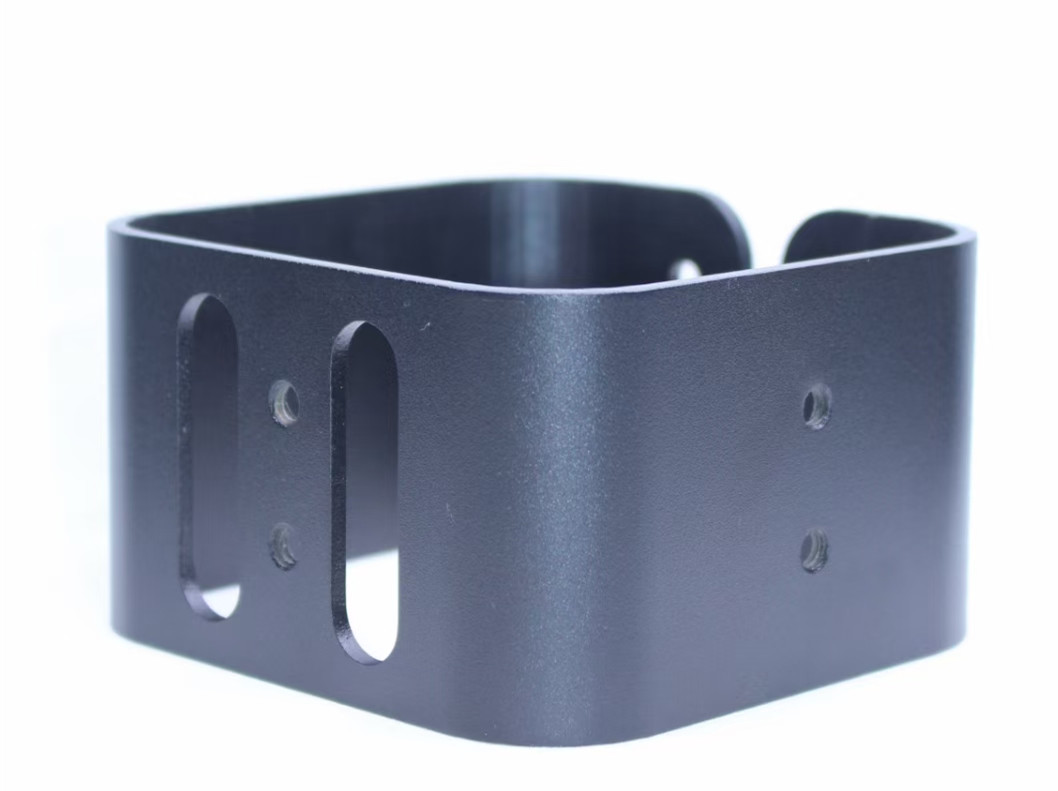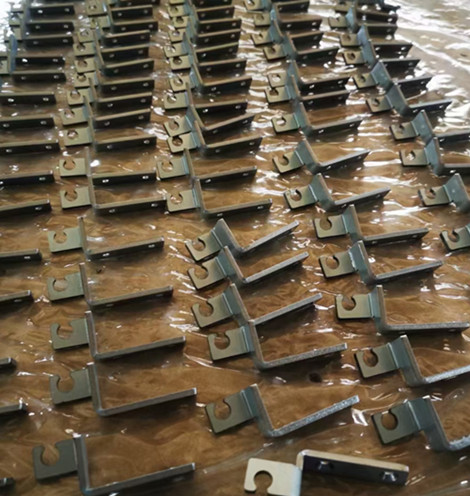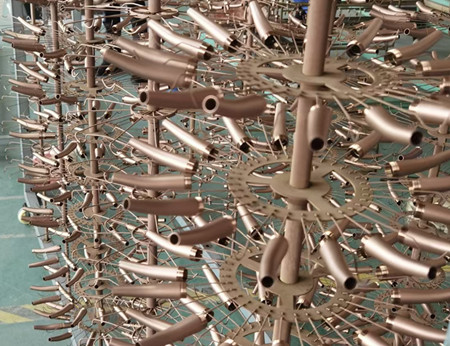
Looking for Quick Quotes on Sheet Metal Bending & Prototyping?
Sep 07,2026 | Tommy
Looking for Quick Quotes on Sheet-Metal Bending or Turned Parts for Prototyping?
TL;DR: The "Speed-to-Market" Solution
Working on a prototype under 10 units that needs both sheet-metal bending and turned parts puts a project squarely in prototyping no-man's-land. Large factories won't look twice at a small RFQ, and hobbyist shops usually lack the precision for genuinely industrial-grade components.
The fix is a hybrid service — one that combines the speed of automated quoting with real human engineering oversight. Sheet Metal Prototyping at Easoonmade is built specifically around this gap, pairing it with precision CNC turning under one roof, quotes turned around in 24 hours, and a sub-2-week delivery cycle. The goal is bridging concept to functional assembly without a small-batch order getting any less technical scrutiny than a full production run.
The Pain Points: Why Small-Batch Prototyping Is a Bottleneck
There's a universal struggle among hardware engineers here: getting a small prototype made is often more stressful than designing it in the first place. At 5 or 10 units, three obstacles show up almost every time.
The minimum-order wall. Traditional sheet metal shops carry high setup costs on their brake presses and laser cutters. A small order either gets ignored entirely, or hit with a minimum lot charge that turns each bracket into a $200 line item.
The quoting black hole. Waiting 3–5 days for a salesperson to hand-calculate a quote kills momentum on a fast-moving project. On the other end, instant-quote AI platforms frequently misread complex bends or internal threads, leading either to "unmanufacturable" rejections or a price that spikes unexpectedly at checkout.
Fragmented sourcing. A prototype that needs both sheet metal (for an enclosure) and turned parts (for spacers or standoffs) usually means managing two separate vendors — doubling shipping costs, doubling lead times, and adding real risk that the parts simply won't fit together at final assembly.
Lead time vs. cost trade-offs. It's easy to have it fast, or have it cheap — finding the reliable middle ground, where quality is genuinely guaranteed without a 300% expedite fee attached, is consistently the hardest part of procurement at this scale.
Five Concrete Solutions: Rapid Sheet Metal and Turning for Startups
1. Hybrid Technical Quoting — the 24-Hour Sweet Spot
Instant quotes are tempting, but they often lead directly to design-for-assembly failures — a bend positioned too close to a hole is exactly the kind of thing an AI misses and a human engineer catches.
The solution: rapid, human-assisted quoting. STEP or DXF files get a technical quote within 24 hours, including a sanity check for impossible bends or features that would drive up CNC turning costs unnecessarily — the speed of digital-age quoting backed by expert eyes.
2. DFB (Design for Bending) Optimization
Sheet metal isn't just cutting shapes — it's the physics of K-factor and bend radius, and most prototype failures trace back to a designer not accounting for material stretch during bending.
The solution: DFB feedback built into the prototyping process, aligning designs to standard tooling (V-dies) so custom tooling isn't needed for a run of just 10 parts. That keeps both cost and lead time under control, typically inside 14 days.
3. Integrated Turning and Bending — One-Stop Assembly
Prototypes very often need a mix of processes — a sheet metal enclosure isn't much use without the custom-turned standoffs or threaded pins holding the electronics in place.
The solution: managing CNC turning and sheet metal fabrication simultaneously, under one vendor. That guarantees the tolerance of a turned part — a press-fit standoff, for instance — actually matches the laser-cut hole in the sheet metal. One shipment, one invoice, no assembly-day surprises.
4. Material Standardization for Rapid Turnaround
The fastest route to a finished prototype is sticking to materials already sitting on the shop floor.
The solution: a deep standing inventory covering the most common needs — 5052-H32 aluminum for bending and corrosion resistance, 304/316 stainless steel for high-strength or medical applications, cold rolled steel for powder-coated enclosures, and 6061 aluminum, brass, or 303 stainless for turned parts. Sticking to these stock standards routinely means cutting starts within 48 hours of an order, with no material sourcing delay in between.
5. Managing the Lead-Time-vs-Cost Equation
Local shops in the US or Europe are fast but expensive at low volume; offshore sourcing is cheaper but usually too slow for a 2-week prototyping cycle — on paper, at least.
The solution: an agile logistics model built around express air shipping for orders under 10 units. High manufacturing efficiency, paired with DHL or FedEx door-to-door delivery, can often land parts in the US faster — and cheaper — than a local shop even finishes its own setup phase.
Comparison Table: Sourcing Prototypes (Under 10 Units)
|
Feature |
Large Digital Platforms |
Local "Job Shops" |
Easoonmade Prototyping |
|
Quoting speed |
Instant, AI-only |
3–7 days |
24 hours, human-verified |
|
Price for <10 units |
Very high |
Moderate, high MOQ |
Competitive |
|
Technical DFM |
None, auto-reject |
High, if they respond |
Proactive engineering review |
|
Combined services |
Bending and turning separate |
Often only one service |
Integrated turning and bending |
|
Lead time |
1–2 weeks |
4–6 weeks |
10–14 days, door-to-door |
|
Reliability |
Variable, brokered |
High |
High, in-house QC |
FAQ: Navigating Small-Batch Sheet Metal & Turning
Q: Is 10 units too small an order for a professional shop? Not here. Plenty of shops ignore anything under $1,000, but the R&D phase of a hardware startup deserves real support — today's 10-unit prototype is often tomorrow's 10,000-unit production run.
Q: What files are needed for a sheet metal quote? Ideally a STEP (.stp) file of the folded part plus a DXF (.dxf) of the flat pattern. If only a 3D model exists, it can be unfolded in-house to make sure bend allowances are correct for the specific machinery being used.
Q: Can CNC turned parts include threads? Yes — precision CNC turning covers diameters from 2mm to 200mm, including standard metric and imperial threads as well as custom thread profiles for specialized prototypes.
Q: How are surface finishes handled at low volumes? Powder coating, anodizing, and chromate conversion are all available even for small batches. Sticking to standard colors — black, white, grey — for orders under 10 units keeps costs down by folding parts into existing batch runs.
Q: Why choose offshore prototyping over a local US shop? It usually comes down to setup agility. Many US shops are optimized for long production runs and find small setups genuinely disruptive. A facility built for high-mix, low-volume (HMLV) work can switch from a sheet metal enclosure to a turned brass pin in minutes, and that flexibility shows up directly in the price.
Q: How is bend accuracy actually guaranteed? CNC-controlled hydraulic press brakes, with a first-article bend performed on every prototype run to check the material's spring-back and adjust the machine's stroke accordingly. Standard tolerances run ±0.2mm for bending and ±0.05mm for CNC turning.
Conclusion: Rapid Prototyping Without the Compromise
Hardware development is a race against time, and vendor ghosting or absurd quotes shouldn't be part of that race. When sheet metal prototyping and turned parts are both needed in quantities under 10, the right partner treats the project's potential as the point, not an inconvenience.
Ready to get your prototype moving? Upload your CAD files to Easoonmade now for a 24-hour technical quote and professional DFM feedback — let's turn your designs into reality.
Comment