Anyone Have Recommendations for Full-Service Prototyping Firms?
Sep 07,2026 | Tommy
Anyone Have Recommendations for Full-Service One-Stop Prototyping Firms?
TL;DR: More Than Just Machines — A Partnership
When you search for a full-service prototyping firm, you aren't really looking for someone who owns a CNC machine or a 3D printer — plenty of shops own that equipment. You're looking for something closer to an extension of your own engineering team. Ask any experienced hardware founder, and they'll tell you the difference between a successful product launch and a painful, expensive dead end isn't the technology — it's the communication, the project management, and the willingness to iterate. At Easoonmade, we operate as a true one-stop partner, handling everything from DFM (Design for Manufacturing) feedback through to final assembly, so what you get back isn't just a part — it's a production-ready solution.
The Pain Points: Why Most Prototyping Projects Fail
There's a fatal flaw baked into how a lot of startups approach manufacturing, and it usually comes down to what could be called the "black box" model: hand off a CAD file, wait three months, and hope for a perfect result without a single conversation in between. It rarely works out that way.
The communication vacuum. When a manufacturer treats your CAD file as a "take it or leave it" order, they won't flag that a design detail is physically impossible to assemble — or unnecessarily expensive to produce — until it's already too late to fix cheaply.
Fragmented supply chains. Using one shop for 3D printing, another for CNC, and a third for finishing sounds efficient on paper. In practice, it produces "the blame game" — when parts don't fit together at final assembly, every vendor points at someone else.
The prototype-to-production chasm. A prototype that performs perfectly on a desk often fails under real-world stress and manufacturing tolerances. Without a partner who understands the transition to mass production, months can be lost re-engineering a design halfway through the process.
Lack of an iterative culture. Hardware is hard, and the first version is almost never the final version. If a prototyping firm doesn't have an internal culture built around iteration, every design tweak turns into a costly, drawn-out dispute instead of a normal part of the process.
Five Concrete Solutions: The Easoonmade "Full-Service" Approach
1. An Engineering-First Engagement
Orders don't just get "processed" — every project starts with a design audit.
The solution: before a single piece of metal is cut or plastic part printed, a DFM review asks the questions that matter: How will this actually be assembled? How will it hold up under thermal expansion? Could two parts be consolidated into one to cut cost and assembly time? Every project starts as a collaborative design review, not a transaction.
2. Genuinely One-Stop Vertical Integration
Managing three or four vendors on a single product is a logistical nightmare, and it's usually where things quietly go wrong.
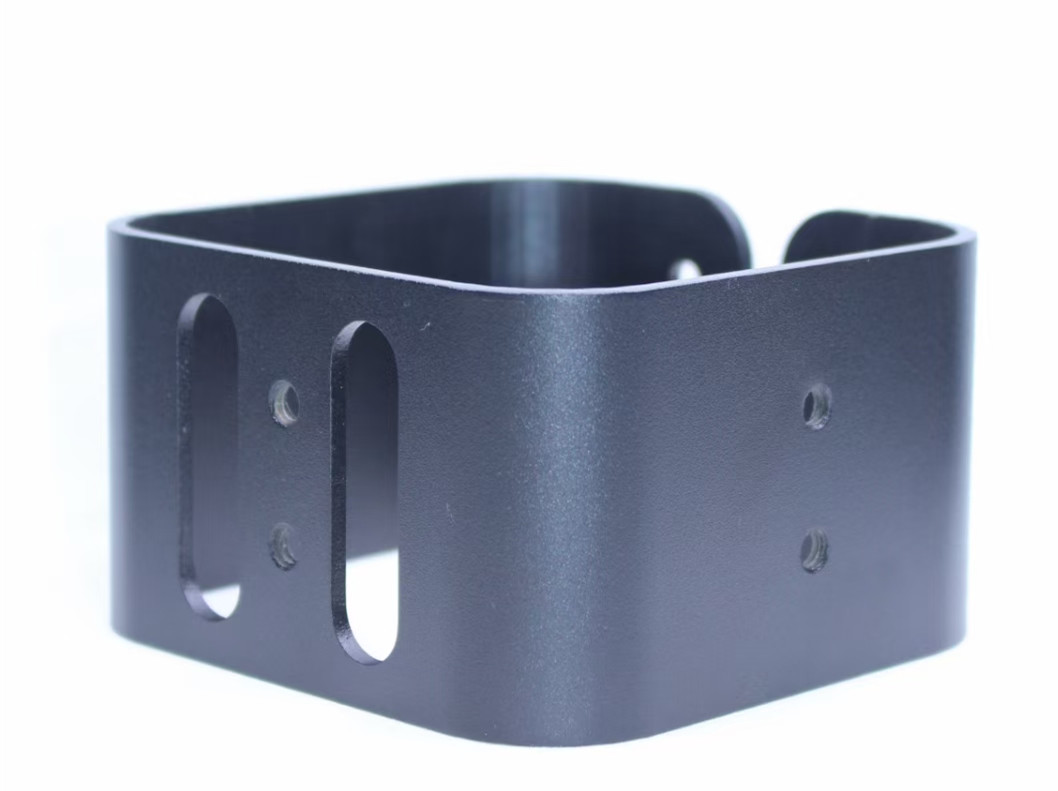
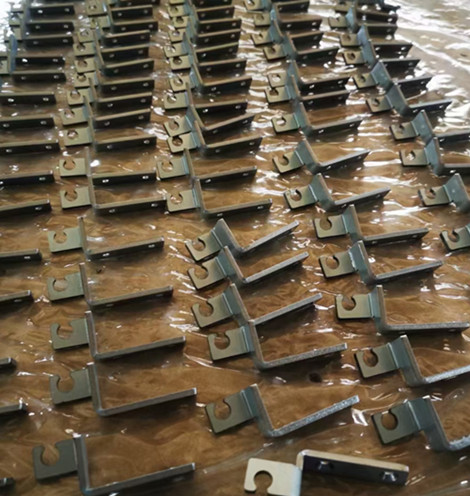
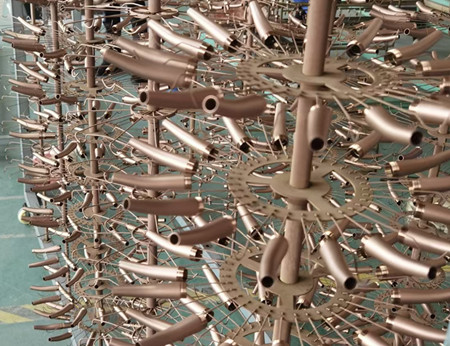
The solution: CNC machining, 3D printing (SLA/SLS/MJF), vacuum casting, sheet metal fabrication, and surface finishing, all under one roof. Because every step happens in-house, tolerances are controlled across the entire assembly — if a plastic housing has to seat into an aluminum chassis, both parts are checked against each other before they ever leave the floor.
3. Weekly Transparency Cycles
"No regular conversations" is one of the most common root causes behind a failed prototyping relationship.
The solution: a weekly status sync with a dedicated project manager, including progress photos and an honest flag on any bottleneck before it becomes a real problem. You're never left guessing about where your components actually stand relative to your launch timeline.
4. A Bridge-to-Production Methodology
A prototype shouldn't be a one-off curiosity — it should double as a blueprint for the eventual production run.
The solution: prototypes built using the same materials and processes intended for production, from day one. That means structural integrity gets tested early, and there are no unpleasant surprises when the project finally scales to high volume.
5. Iterative Flexibility — Testing the Waters
Startups move fast, and requirements change mid-project more often than not.
The solution: a small engagement trial — starting with a modest batch of components to test communication, quality, and workflow before committing to a full-service relationship. Once that trust is established, scaling into full product management is a much lower-risk step for both sides.
Comparison Table: Why One-Stop Beats Individual Vendors
|
Feature |
Fragmented Vendors |
Easoonmade One-Stop Service |
|
Project management |
You manage everyone yourself |
One dedicated PM for the whole project |
|
Communication |
Disjointed, email-only |
Weekly syncs, collaborative updates |
|
Quality control |
Each vendor blames the other |
Integrated, one-stop tolerance checks |
|
Lead times |
Additive delays between vendors |
Seamless, synchronized production |
|
Design insight |
None — they just "do the work" |
Proactive DFM and engineering support |
|
Scalability |
High risk of re-engineering later |
Built for a smooth transition to production |
FAQ: Navigating the Prototyping Process
Q: Why is communication so important in prototyping? Prototyping is fundamentally an iterative discovery process. When a manufacturer asks questions — "why is this tolerance so tight?" or "have you considered a different assembly method?" — that's exactly the kind of push-back that saves thousands of dollars and weeks of delay down the line.
Q: How does a one-stop firm actually save money? Mostly by cutting logistical friction. Shipping parts between vendors, paying multiple setup fees, and managing several relationships all cost time and money on their own. Consolidating everything into one shop means one setup fee and none of the hidden costs of a disorganized supply chain.
Q: Can you help me move from a prototype to 10,000 units? Yes — that transition is the core of the business. Once a design is finalized and tested, moving into high-volume processes like zinc die casting or injection molding is a natural next step with the same partner.
Q: How do I know if this is the right fit for my project? Start with a test engagement. Send over a complex assembly you're currently struggling with, and a DFM audit plus a trial production run will make the difference in project management immediately obvious.
Q: How is intellectual property handled? Your design is treated as exactly what it is — your most valuable asset. Comprehensive NDAs and strict internal controls keep CAD files and design concepts from ever being exposed.
Conclusion: Your Product Deserves a Partner, Not Just a Vendor
The painful outcomes so many hardware teams fear almost always trace back to a lack of active engagement, not a lack of machining capability. The physical product is only half the job — the other half is the partnership: the weekly syncs, the proactive engineering advice, and the willingness to say "this won't work" before it costs you a production run.
Whether you're a solo founder with a napkin sketch or a startup managing a complex product roadmap, the goal is the same: making sure your prototype isn't just a model, but the first real step toward a successful commercial launch.
Ready to start a partnership that actually communicates? Upload your CAD files for a DFM audit and let's schedule your first project sync today.
Comment