"Shouldn't the Machine Shop Have Flagged That Before Cutting Material?"
Jul 09,2026 | Tommy
"Shouldn't the Machine Shop Have Flagged That Before Cutting Material?"
TL;DR
Most CNC machining disputes don't come from bad machines — they come from bad process. Five issues show up over and over in engineering forums: quotes given without a DFM review, tolerances promised but never proven with inspection data, prototype orders getting bumped behind production runs, inconsistent finishing (especially anodizing), and suppliers who stay quiet until a problem is too big to hide. Each one has a straightforward fix: DFM before quoting, inspection reports as standard, dedicated low-volume lanes, finish samples and Pantone matching before the full batch runs, and proactive status updates instead of "yes, on schedule" followed by a surprise two weeks later. Suppliers who build these five habits into their workflow stop losing repeat business over avoidable mistakes.
The Pattern Behind the Complaints
If you spend time in CNC and machining forums, the same frustrations resurface under different part numbers. An engineer uploads a STEP file and a PDF drawing, gets a quick "Can do" from a shop, and finds out three weeks later that the R corner was too small for the tooling, a deep pocket couldn't be reached, thin walls warped during machining, or a hole location was never actually achievable with the quoted process. The part gets scrapped or reworked, the schedule slips, and the engineer starts shopping for a new supplier.
This isn't really a machining-skill problem. Most shops that get this kind of feedback are technically capable. The failure happens earlier — in the quoting process, in the communication process, and in the quality-documentation process. Below are the five complaints that show up most often, restated from an engineering buyer's point of view, followed by what actually fixes each one.
Pain Point 1: Quotes Given Without a DFM Check
A supplier says "yes" to a design before checking whether it's actually manufacturable as drawn. The part gets cut, and only then does someone notice the corner radius is too small for standard tooling, a deep cavity can't be reached by any practical end mill, or a wall is too thin to survive machining stresses without deforming.
What buyers actually want: a shop that reviews the model before quoting, flags manufacturability risks up front, and proposes alternatives — a larger fillet, a split feature, a different wall thickness — instead of silently cutting a part that was never going to work.
Pain Point 2: Tolerances Promised, Not Proven
Tight tolerance calls — true position, coaxiality, flatness at a few microns — get a confident "no problem" at quoting time. Parts arrive out of spec, assemblies don't mate, and CMM data (when it exists at all) tells a different story than the sales conversation did.
What buyers actually want: documentation, not reassurance. A First Article Inspection report, a full dimensional inspection report tied to the actual part, and material certificates when the application calls for them. Anyone can claim a tolerance. Only inspection data proves it was held.
Pain Point 3: Small-Batch Orders Get Bumped
Prototype and low-volume orders — five, ten, twenty pieces for EVT or DVT builds — get a quoted lead time of roughly ten days. In practice they slip to a month, because production-volume jobs get scheduling priority and small orders quietly move to the back of the queue.
What buyers actually want: a lead time that reflects reality, regular progress updates instead of silence, and — ideally — a workflow where prototype work has its own lane rather than competing with production runs for machine time.
Pain Point 4: Inconsistent Surface Finishing
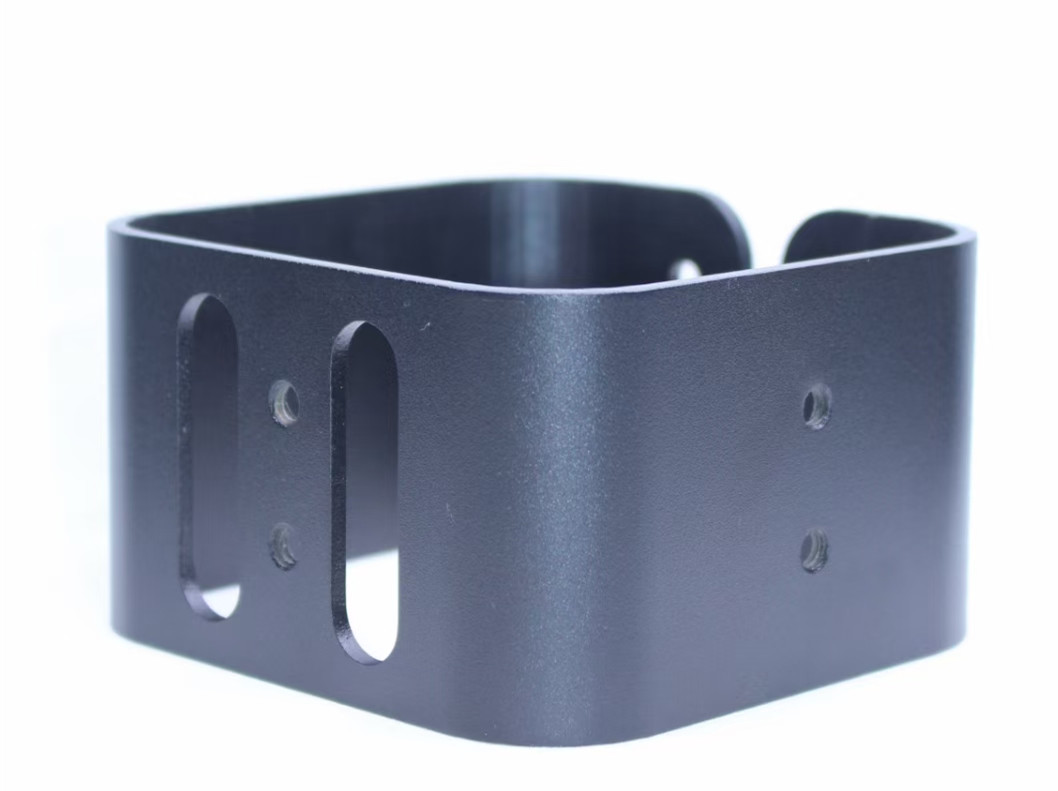
Machining comes out fine; the finishing process is where things go wrong. Anodized, bead-blasted, plated, or polished parts arrive with visible color variation, scratches, handling marks, or batch-to-batch inconsistency. This shows up constantly on aluminum parts, and black or red anodizing are the most frequently cited offenders.
What buyers actually want: a Pantone or color-standard reference confirmed before production, a physical finish sample approved ahead of the full run, and parts packaged individually so finished surfaces don't get damaged in transit or in a shared bin.
Pain Point 5: Opaque Communication
This is arguably the most damaging pattern, because it compounds every other issue on this list. A buyer asks if the project is on schedule and gets a simple "yes." Two weeks later comes a message admitting there's a problem — material shortage, a failed CNC operation, a finishing rework — that had actually been known internally for days.
What buyers actually want: early, honest updates. A supplier who says "we hit a snag, here's the plan" the day it happens is far more valuable than one who reports good news right up until the point they can no longer hide the bad news.
Five Solutions That Address All of This
- Run DFM analysis before quoting, not after cutting.Flag tight radii, unreachable pockets, thin-wall risk, and unachievable hole positions during the quote stage, and propose design alternatives alongside the price.
- Back tolerance claims with inspection data.Include First Article Inspection, dimensional inspection reports, and material certs as a standard deliverable — not an optional add-on requested after something goes wrong.
- Give prototype orders a dedicated path.Separate low-volume/prototype scheduling from production scheduling, quote realistic lead times, and send weekly (or milestone-based) progress updates without being asked.
- Lock in finish quality before the full batch.Confirm Pantone or equivalent color standards, approve a physical sample first, and individually package finished parts to protect against scratches and impact damage.
- Communicate problems the day they're discovered.Replace generic "yes, on schedule" status checks with real updates, and treat early bad news as a trust-building event rather than something to delay.
Comparison: Reactive Supplier vs. Proactive Supplier
|
Issue |
Reactive Supplier |
Proactive Supplier |
|
Design review |
Quotes as drawn, no DFM check |
Runs DFM before quoting, flags risks with alternatives |
|
Tolerance claims |
Verbal assurance only |
FAI + CMM inspection report + material certs included |
|
Prototype lead time |
Quoted short, actually delayed by production priority |
Dedicated low-volume lane with realistic, honored lead times |
|
Surface finishing |
Color and finish vary batch to batch |
Pantone/sample approval before full run, individual packaging |
|
Project communication |
"Yes, on schedule" until a problem is unavoidable |
Proactive updates the same day an issue is found |
FAQ
Why should a machine shop flag design issues before cutting material? Because catching a manufacturability problem — a corner radius that's too small, a pocket no tool can reach, a wall too thin to hold shape — during quoting costs nothing. Catching it after the part is cut costs the material, the machine time, and the schedule delay of a full redo.
How can I verify a supplier can actually hold the tolerances they quote? Ask for a First Article Inspection report and full CMM dimensional data tied to the specific part, not a general capability statement. A shop confident in its process will provide this without hesitation.
Why do small prototype orders take longer than quoted? In many shops, production-volume orders get scheduling priority because they're larger and more profitable per job. Prototype orders can get pushed back repeatedly unless the shop runs a separate scheduling lane for low-volume work.
Why does anodizing color vary between batches? Anodizing color is sensitive to alloy composition, dye bath consistency, and process timing, which makes batch-to-batch variation common without tight process control. Confirming a Pantone reference and approving a physical sample before the full run is the most reliable way to catch this before it becomes a shipment-wide problem.
What should I expect from a supplier if something goes wrong mid-project? Notification on the same day the issue is discovered, along with a stated plan for how it will be resolved — not silence followed by a delayed admission once the deadline is already at risk.
Comment