Low-Volume Aluminum Part Manufacturing: CNC or Die Casting?
Sep 05,2026 | Tommy
I need somewhere between 50 and 300 aluminum parts — should I be looking at CNC machining or die casting?
TL;DR: The Bottom Line
For most projects in the 50-to-300-unit range, CNC machining beats die casting, even though die casting has a lower per-part price at high volume. Die casting tooling typically runs $5,000 to $25,000 and takes weeks to produce, and that cost gets spread across so few parts at low volume that it actually makes each unit more expensive than simply machining them. CNC machining requires no tooling investment at all, uses stronger wrought aluminum, and can typically be delivered in one to two weeks instead of one to two months. The threshold where die casting starts to make financial sense is usually somewhere in the low thousands of units per year — not a few hundred.
The Pain Points: Stuck Between Prototyping and Mass Production
Founders and engineers who need a few hundred aluminum parts consistently run into the same frustrations:
The Tooling Sticker Shock. Learning that a single die casting mold can cost more than an entire early-stage marketing budget is a rude awakening for anyone who assumed casting would simply be "the cheap option."
Getting Deprioritized by Casting Factories. Many die casting shops are built around orders in the thousands of units, and a 300-piece request either gets turned away outright or gets pushed to the back of the queue behind larger, more profitable orders.
Lead Times That Don't Match Startup Speed. Waiting six to eight weeks for a mold to be cut, tested, and adjusted is a serious cost when a product needs to reach customers or investors quickly.
Not Knowing Which Type of Supplier to Even Approach. Faced with unfamiliar manufacturing options, it's genuinely unclear whether a 100-to-300-unit aluminum order belongs with a CNC machine shop or a die casting house.
5 Ways to Approach Low-Volume Aluminum Manufacturing
- Default to CNC Machining and Optimize the Design for Speed
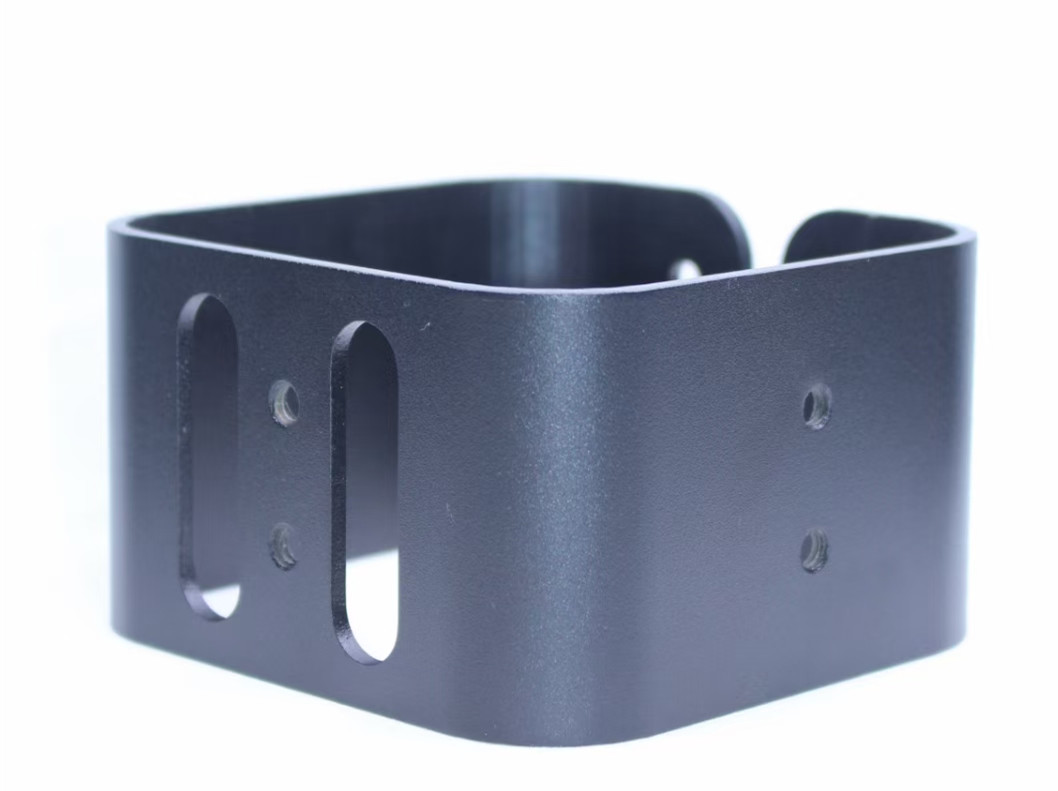
Since machining is usually the right call at this volume, the goal shifts to reducing machine time. Standard, larger corner radii allow faster, more robust cutting tools to be used instead of small, slow ones — a design detail that can meaningfully lower cost without changing the part's function.
- Understand Why "Bridge Tooling" Isn't Always the Answer
Soft or bridge tooling (often aluminum or lower-grade steel molds) is cheaper and faster than full production tooling, and it's a reasonable middle step for some projects. But at 200–300 units, even bridge tooling often costs more per part than simply CNC machining the batch — so it's worth running the real numbers before assuming tooling of any kind is the better path.
- Choose the Right Aluminum Grade for the Process
CNC machining typically uses wrought aluminum alloys like 6061-T6, which offer strong mechanical properties and a clean surface finish. Die casting uses casting-specific alloys like A380 or ADC12, which behave differently under load. If a part will eventually transition from CNC prototypes to a die-cast production version, the material choice and design should account for that shift from the start.
- Use Finishing to Get a "Production" Look Without Production Tooling
Bead blasting and Type II anodizing can remove visible machining marks and give CNC parts a clean, matte, factory-finished appearance — closing much of the visual gap with die-cast parts. This lets a first batch look and feel like a finished product without committing to mold costs the volume doesn't yet justify.
- Work With a Manufacturer That Specializes in This Volume Range
A factory built around 5,000+ unit orders will rarely give a 300-piece order real attention. A manufacturing partner that specifically works in the 50–500 unit range is far more likely to treat the order with the technical care it needs, while still offering supply-chain and cost advantages that a small local shop may not.
Comparison: CNC Machining vs. Die Casting at Low Volume
|
Criteria |
CNC Machining |
Die Casting |
|
Tooling Cost |
None |
$5,000–$25,000 |
|
Unit Price |
Moderate |
Low, but only at scale |
|
Lead Time |
1–2 weeks |
6–8+ weeks |
|
Material Quality |
Strong, wrought aluminum |
Good, but porosity risk |
|
Design Flexibility |
High — easy to iterate |
Low — mold changes are costly |
|
Practical Minimum Volume |
As low as 1 piece |
Usually 2,000+ |
Frequently Asked Questions (FAQ)
Q: Isn't die casting always cheaper per part than CNC machining? A: Only once tooling cost is amortized across enough units. At low volumes, dividing a $10,000+ mold across a few hundred parts can make the "true" per-part cost higher than simply machining the same parts with no tooling investment at all.
Q: At what volume does die casting start to make sense? A: Generally somewhere between 2,000 and 5,000 units annually, where the tooling investment is spread thin enough that the lower unit cost and faster per-part cycle time clearly outweigh the upfront mold expense.
Q: Can I use the same 3D model for CNC machining and later die casting? A: Not without adjustments. Die-cast parts need draft angles so they can be ejected from the mold, while CNC parts don't require them. Designing with a future casting transition in mind from the start avoids a costly redesign later.
Q: Why does die casting take so much longer than CNC machining? A: The mold itself has to be cut and heat-treated, cooling lines installed, and the tool "debugged" with test shots to confirm the molten metal flows correctly without trapping air — all before production parts can even begin.
Q: What's the biggest mistake founders make at this stage? A: Committing to die casting tooling before volume actually justifies it, locking up capital and lead time on a mold that ends up costing more per part than machining would have.
Not sure whether your 300-unit order needs CNC or casting? At EasoonMade, we specialize in the 50–500 unit range and give you a transparent cost breakdown showing exactly when — and if — switching to die casting actually makes financial sense for your project.
[Upload Your STEP File for an Instant Low-Volume Quote Today!]
Comment