How Custom Metal Parts Should Be Packaged Before Shipping (And Why It Matters)
Manufacturers and engineers often face the same problem: custom metal parts arrive scratched, bent, or dented after transport. Whether the parts come from a custom metal fabrication workshop or a full-scale metal fabrication service, poor packaging can undo weeks of precise work.
So how do you prevent shipping damage—especially when dealing with one-off, high-precision, or irregularly shaped metal components?
This guide answers the most common questions engineers, motorsport builders, and product designers ask about safe packaging for custom metal parts, using practical steps that work across industries.
Q1: Why Is Packaging So Important for Custom Metal Fabrication Projects?
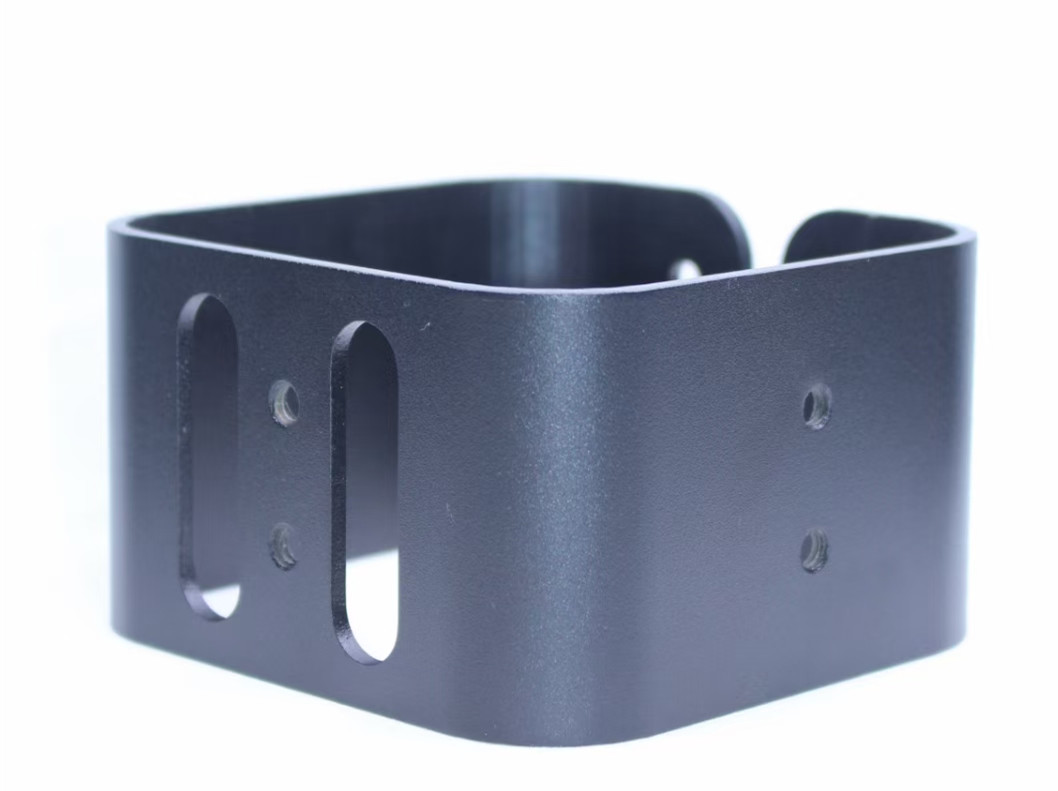
Custom metal components often include tight tolerances, machined edges, delicate finishes, and unique shapes. Even small impacts during transportation can cause:
-
surface scratches
-
bending or deformation
-
coating damage
-
tolerance deviations that affect assembly
-
contamination from moisture or dust
When working with a metal fabrication service, packaging becomes part of the final quality control. Protecting each part ensures it reaches the customer in the same condition it left the workshop.
Q2: What Factors Determine the Packaging Method for Metal Parts?
The right packaging method depends on several part-specific aspects:
1. Part Shape
-
Complex shapes (robotic brackets, automotive housings): need custom foam cutouts.
-
Flat plates or sheet metal pieces: require rigid separators to prevent bending.
-
Cylindrical parts: benefit from foam tubes or layered wrapping.
2. Precision Level
Higher-precision or polished surfaces require:
-
soft, scratch-free wrapping
-
multiple protective layers
-
humidity control
For CNC-machined parts, even minor surface marks may require reworking.
3. Material Type
-
Aluminum: scratches easily
-
Stainless steel: susceptible to fingerprints or moisture stains
-
Carbon steel: must be protected from humidity
Understanding these factors helps determine the safest packaging solution.
Q3: What Packaging Materials Should Be Used for Custom Metal Parts?
Proper materials prevent impact, vibration, and corrosion. Common options include:
1. Protective Wrapping
-
Foam sheets
-
Anti-scratch PE films
-
Bubble wrap (outer layer only)
-
Non-abrasive paper
2. Surface Protection
-
Oil-based rust prevention for steel
-
VCI (Vapor Corrosion Inhibitor) bags
-
Heat-sealed moisture-proof bags
3. Internal Cushioning
-
Custom foam cut inserts
-
EVA or EPE foam blocks
-
Air pillows
-
Thick cardboard partitions
4. Outer Packaging
-
Rigid double-wall boxes
-
Plastic crates for heavy parts
-
Custom wooden cases for motorsport or industrial components
Packaging choices directly affect the safety of parts produced by custom metal fabrication shops.
Q4: How Should Parts Be Packed to Avoid Contact Damage?
A key rule: metal parts must not touch each other inside the package.
Use:
-
separators made of cardboard or foam
-
individual wrapping for each component
-
tight arrangement inside the box to avoid movement
If parts shift during shipping, the risk of dents or scratches increases dramatically.
Q5: What Extra Protection Is Needed for High-Precision or Surface-Finished Parts?
For powder-coated, anodized, or polished metal parts, add:
-
soft microfiber or PE protective layer
-
double bubble wrap
-
rigid shell to avoid crushing
-
anti-static bags (if electronics are involved)
Motorsport and aerospace clients often request custom crates or molded foam to hold parts securely during transportation.
Q6: How to Prevent Rust, Moisture, or Environmental Damage?
Moisture is one of the most common causes of damage. Use:
-
VCI paper or VCI bags
-
desiccant packets
-
sealed plastic layers
-
climate-resistant outer boxes
Steel components especially benefit from these treatments when shipped internationally.
Q7: What Are Best Practices Before Shipping Custom Fabricated Metal Parts?
1. Perform a Pre-Shipping Inspection
Check for scratches, burrs, or loose debris.
2. Take Photos
Document the condition of each part before packaging.
3. Use Labels
Mark boxes with:
-
“Fragile”
-
“Do Not Stack”
-
“Precision Parts”
-
“Keep Dry”
4. Choose Reliable Logistics
Couriers experienced with industrial or automotive parts reduce handling risk.
These steps protect your investment and ensure the quality promised by your metal fabrication service.
Q8: What Are Low-Competition Keywords Related to Packaging Metal Parts?
To help your blog rank better, here are naturally integrated keywords included:
-
industrial packing solutions for metal parts
-
precision hardware shipping methods
-
protective packaging for CNC components
-
low-volume part shipping tips
-
safe transport for custom machined parts
These phrases attract targeted traffic with lower SEO competition.
Conclusion
Proper packaging is essential for any project involving custom metal fabrication or a professional metal fabrication service. By using the right materials, protecting sensitive surfaces, and considering part geometry, manufacturers and engineers can ensure their custom components arrive safely, ready for assembly or testing.
If you need help preparing your custom metal parts for shipment, following these guidelines will significantly reduce the risk of damage during transport.
If you'd like, I can also create:
✅ a shorter product-page version
✅ a social media snippet
✅ a second keyword-optimized version
Just tell me!