Can Aluminum Die-Casting Parts Be Anodized? Surface Effects & Low-Volume Production Insights
Dec 03,2025 | Tommy
Can Low-Volume Aluminum Die-Casting Parts Be Anodized? Understanding Limitations and Surface Expectations
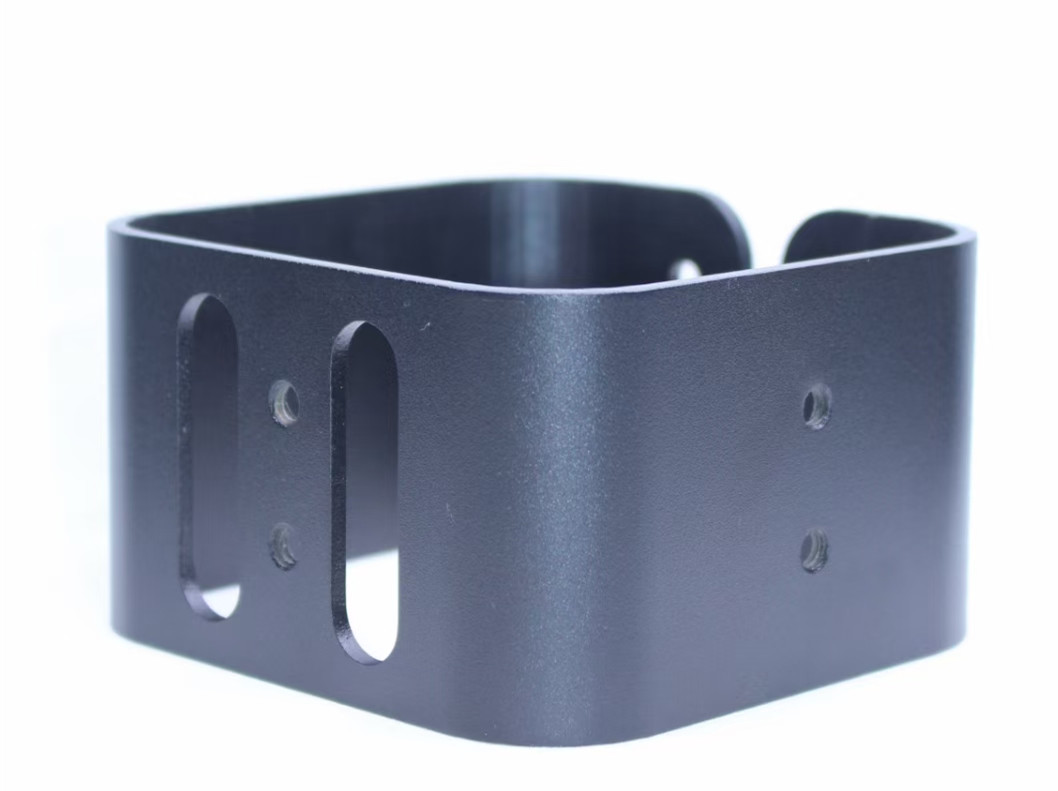
Manufacturers working with low-volume aluminum die-casting often face a frustrating challenge: the surface quality of die-cast parts is not naturally ideal for premium cosmetic finishing. When customers require anodized surfaces, questions quickly arise about whether the process is compatible, whether the finish will look uniform, and whether small-batch production offers enough control. These concerns become even more pressing when the parts feature complex geometry like the die-cast components shown above. This article examines the real surface limitations of aluminum die-casting and explains what can—and cannot—be achieved during anodizing.
Why Die-Cast Aluminum Surfaces Struggle With High-End Cosmetics
Unlike CNC-machined aluminum, die-cast aluminum is created by injecting molten metal into a mold. This fast, high-pressure process creates several natural characteristics:
-
Slight surface porosity
-
Microscopic pits
-
Mold-parting lines and ejector marks
-
Alloy impurities
-
A matte, grainy surface texture
These traits are normal for die-casting but create challenges when applying anodizing, which requires a clean and uniform surface to produce a consistent finish. Small imperfections become more visible after anodizing because the coating darkens low points and highlights surface variations.
Can Aluminum Die-Casting Actually Be Anodized?
Yes, but with limitations. The real question is whether the alloy and surface condition allow anodizing to produce a stable and acceptable finish. Many die-casting alloys contain elements like silicon that interfere with the anodizing process, producing darker, blotchier, or uneven tones.
Common die-cast alloys such as A380 or ADC12 often show:
-
Dark gray or uneven coloration
-
Patchy surfaces
-
Visible casting flaws highlighted after anodizing
If the requirement is purely functional corrosion protection, anodizing may be acceptable. If the requirement is decorative cosmetic quality, the results may not meet expectations unless significant surface preparation is applied.
How WayKen Rapid Handles Anodizing Requirements
As a respected rapid manufacturing supplier, WayKen Rapid follows a practical and engineering-driven approach. Their evaluations usually include:
-
Identifying the alloy composition
Some die-cast aluminum alloys anodize better than others. -
Reviewing surface intent
If the part requires high-end cosmetic appearance, they often recommend CNC machining critical surfaces or using a different material. -
Applying surface smoothing steps
Media blasting, tumbling, or manual polishing may be performed to reduce visible defects. -
Setting realistic expectations
Customers are informed that anodizing on die-cast surfaces typically results in a matte, darker finish.
At Easoonmade, we apply similar engineering logic to ensure customers understand the cosmetic limitations before choosing anodizing.
What Surface Results to Expect After Anodizing Die-Cast Aluminum
1. Matte, Low-Gloss Finish
Due to natural casting texture, anodized die-cast parts rarely achieve a glossy or semi-gloss appearance.
2. Darker or Uneven Coloration
Silicon content in die-cast alloys absorbs color irregularly.
3. Visible Casting Defects
Porosity, pits, flow lines, and sink marks become more noticeable after anodizing.
4. Stronger Appearance on Machined Areas
Any region that is CNC-machined after casting will anodize more uniformly and more brightly than raw cast surfaces.
Surface Treatments That Improve Anodizing Results
Shot Blasting or Glass-Bead Blasting
Smooths the texture and creates a more uniform matte base before anodizing.
Vibratory Tumbling
Removes small burrs and rounds edges slightly, improving coating consistency.
Chemical Cleaning & Etching
Removes impurities and helps the anodizing layer bond more uniformly.
Selective CNC Machining
Critical surfaces can be machined after casting to create areas that anodize more cleanly.
These methods help, but they cannot completely eliminate the fundamental limitations of die-cast alloys.
When Is Anodizing Not Recommended for Die-Casting?
-
When cosmetic perfection is required
-
When the part is expected to match anodized CNC-machined parts
-
When uniform color is critical
-
When the alloy contains high silicon or impurities
In these cases, alternatives such as powder coating, e-coating, or painting may provide more consistent results.
Why Low-Volume Production Makes Surface Variation More Noticeable
Low-volume die-casting batches often come from early-stage molds or first-run tooling. These situations may include:
-
Less optimized mold flow
-
Earlier-stage venting or cooling conditions
-
Higher surface variation from piece to piece
Because anodizing highlights differences, small-batch production parts may look inconsistent unless surface refinement steps are applied.
Conclusion: Anodizing Is Possible—But Results Vary Significantly
Aluminum die-casting can be anodized, but the finish depends heavily on the alloy, surface preparation, and expectations. Companies like WayKen Rapid evaluate die-cast surfaces carefully before offering anodizing, ensuring functional performance while clarifying cosmetic limitations. At Easoonmade, we provide the same clarity: anodizing can work as a protective coating, but it rarely produces a premium cosmetic finish on die-cast parts without substantial preparation.
Comment