Do You Need a DFM Report Before CNC Machining? | Easoonmade
Apr 04,2026 | Tommy
The Hidden Gap Between 3D Models and Final Assembly: Why Manufacturing Reviews Matter
Every mechanical engineer and product designer knows the frustration of a stalled project. You spend weeks perfecting a 3D model, ensuring every feature looks flawless in your CAD software. The digital assembly fits perfectly, the geometries are sleek, and the project is signed off. However, once the files are sent off to the machine shop, production grinds to a halt—or worse, the finished parts arrive and fail to fit together.
This disconnect between digital perfection and physical reality is a widespread pain point in product development. It usually stems from a single, critical missing step: conducting a thorough design review before metal is cut. While modern software allows for limitless creativity, physical manufacturing is bound by the laws of physics, tooling constraints, and material behaviors. Bridging this gap requires proactive communication and an objective analysis of how a part will actually be made.
Translating Digital Concepts into Physical Metal
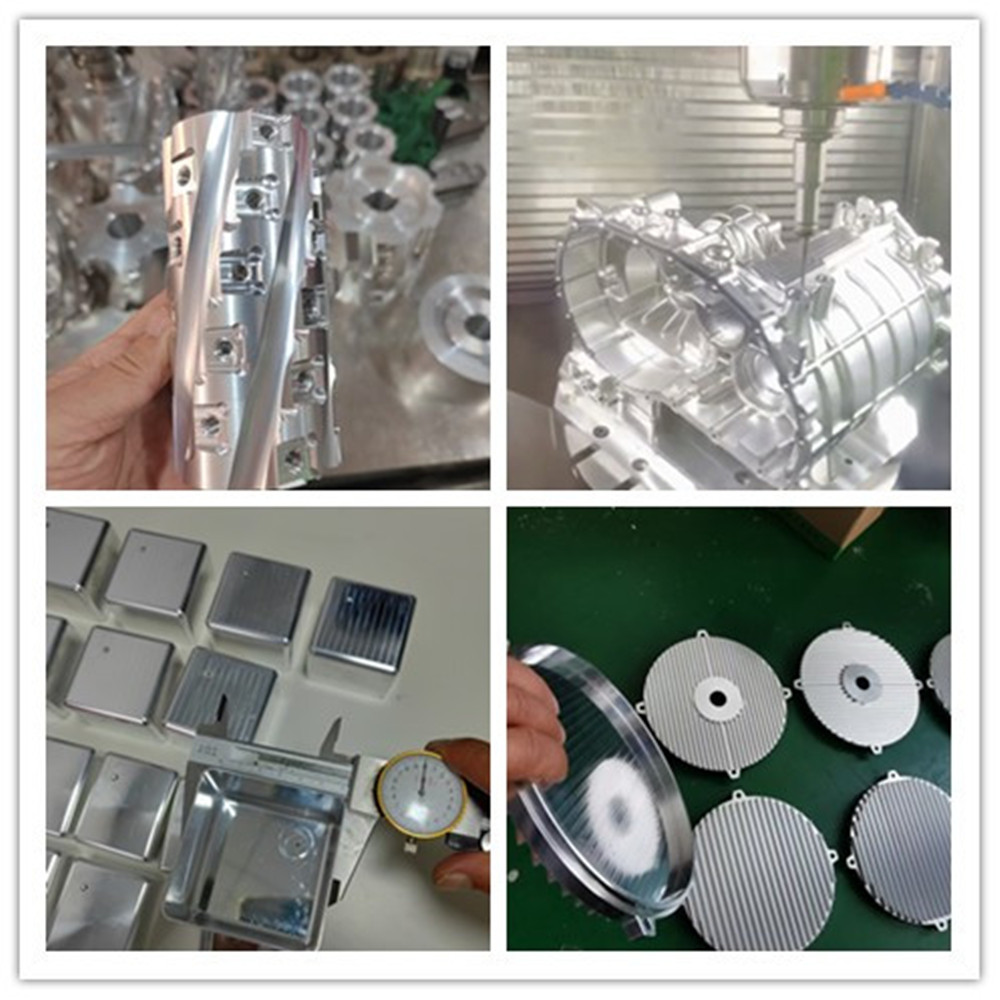
When an aluminum part is transitioned from a computer screen to a 5-axis CNC machining center, a new set of variables comes into play. A 3D model assumes perfect conditions, but a CNC machine operates in the real world where tool deflection, vibrations, and clamping methods exist.
Requesting a DFM report before CNC machining is the most effective way to identify these physical limitations early. A Design for Manufacturability analysis evaluates the 3D model strictly through the lens of production capability. Instead of simply pushing a button and hoping for the best, this process pauses the workflow to ask critical questions: Can this tool reach this pocket? Will this thin wall warp under the heat of the cutter? Identifying these factors beforehand is the difference between a seamless product launch and a costly revision cycle.
Three Common Pitfalls Avoided by Early Manufacturing Analysis
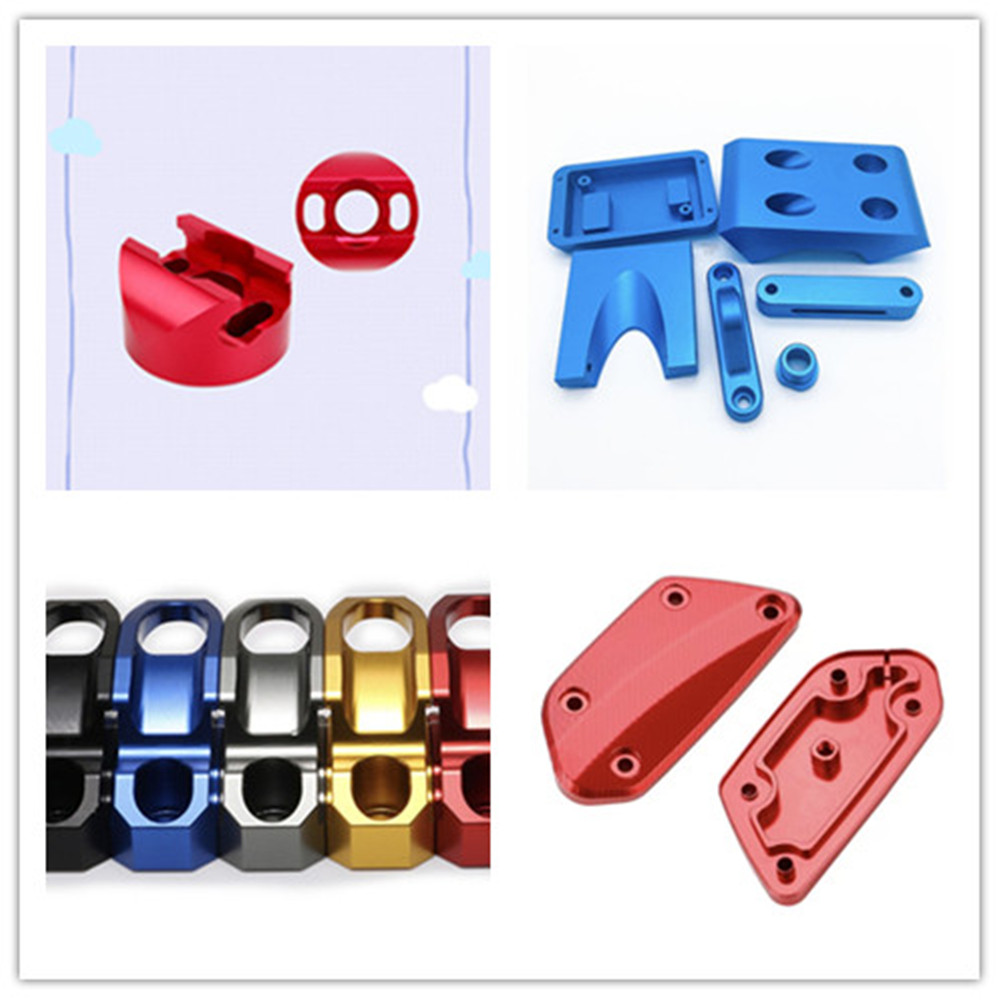
When parts are released to manufacturing without prior feedback, machine shops consistently encounter a specific set of engineering hurdles. Addressing these during the design phase dramatically improves the final outcome.
1. Zero Clearance Between Mating Parts
In a CAD environment, two mating metal components can share the exact same dimensional boundaries. In the physical world, "zero clearance" means interference. If an aluminum shaft and a bore are designed with the exact same diameter, they will not assemble. For successful CNC manufacturing clearance, a specific gap must be designed into the model. Depending on the required fit—whether it is a sliding fit or a press fit—engineers typically need to incorporate a clearance of 0.01 mm to 0.05 mm. Factoring this in prevents the need for post-machining manual sanding or complete part remakes.
2. Unrealistic Tolerance Expectations
Applying extremely tight custom machining tolerances across an entire part is a common safety net used by designers, but it exponentially increases manufacturing complexity. Not every surface of a component requires a micron-level tolerance. When a DFM analysis is conducted, machinists can help engineers identify which critical features actually require tight tolerances for functionality, and which non-critical areas can be relaxed. This targeted approach reduces machining time, lowers tool wear, and keeps the project within budget.
3. Unnecessarily Complex Geometry
A 5-axis CNC machine is incredibly capable, but it is not magic. Deep, narrow pockets with sharp internal corners cannot be machined by a spinning round endmill. Often, a minor design tweak—such as adding a small radius to an internal corner or reducing the depth of a blind hole—can shave hours off the machining cycle. Modifying complex geometries for better tool access does not usually compromise the part's function, but it heavily impacts the efficiency of the build.
Building Reliability Through Expert Engineering Collaboration
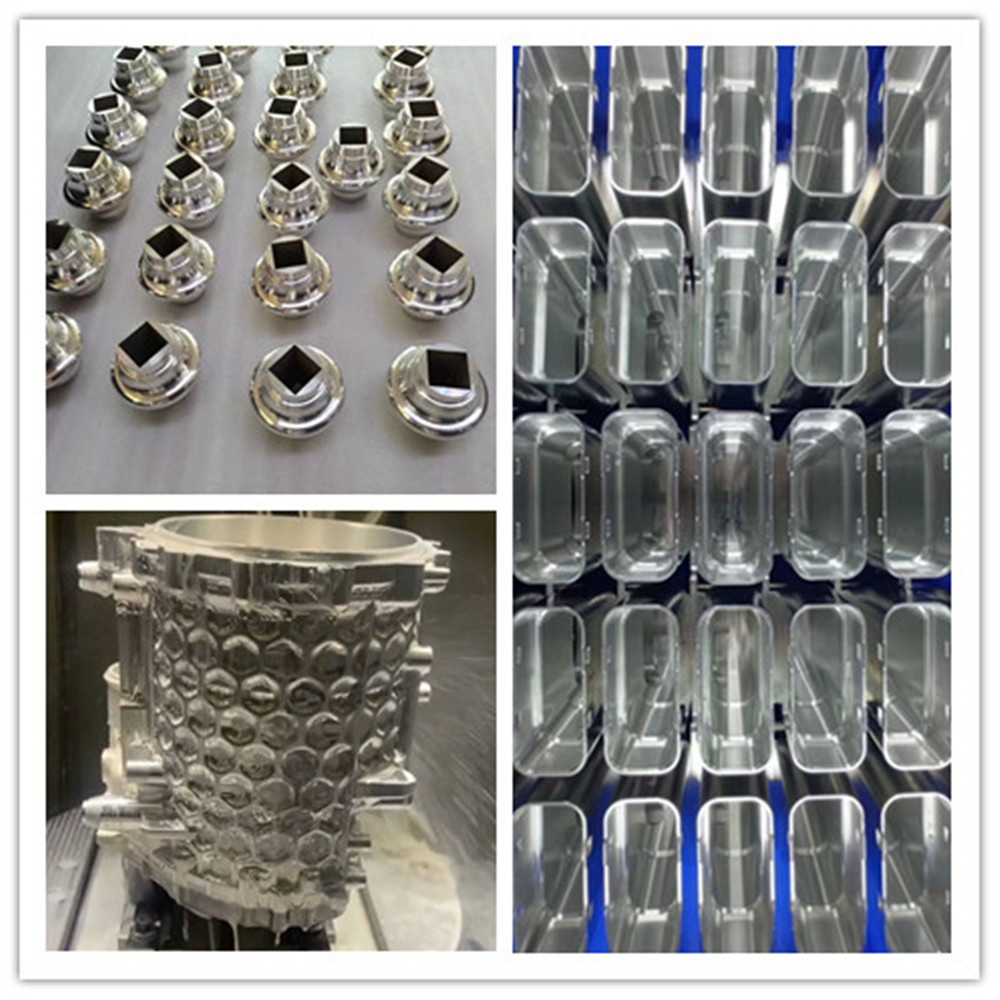
Navigating these manufacturing realities requires a trusted partner who understands both design intent and machine floor execution. At Easoonmade, we do not just take a file and blindly press start. We believe that true precision machining services are built on transparent engineering collaboration.
Before we load raw material into our 5-axis centers, our technical team carefully reviews your 3D models. We proactively look for zero-clearance issues, evaluate the feasibility of your custom tolerances, and suggest minor geometry adjustments that can optimize the machining process. By providing actionable feedback tailored to your specific application, we ensure that the parts you receive will perform exactly as intended in your final assembly.
Our goal at Easoonmade is to act as an extension of your engineering team. By identifying potential manufacturing roadblocks before they happen, we help you reduce lead times, avoid wasted material, and keep your product development cycle moving forward predictably.
Moving Forward with Confidence
The transition from a virtual model to a functional metal component should not be a guessing game. Integrating a review process into your workflow is a practical step that safeguards your project's timeline and budget. By aligning your digital designs with real-world manufacturing principles, you ensure a smoother production run and a superior final product. When you are ready to bring your next complex assembly to life, partnering with a manufacturer who prioritizes upfront communication will make all the difference.
Comment