Aluminum CNC Machining: Is 100 Pieces Worth a Manufacturer's Time?
Sep 07,2026 | Tommy
Need a Manufacturer for Small Aluminum Parts: Is 100 Pieces Simply Not Worth Anyone's Time?
TL;DR: The "Bridge Production" Sweet Spot
To answer the question directly: yes, 100 pieces are absolutely worth a manufacturer's time — if the right partner is on the other end of the RFQ.
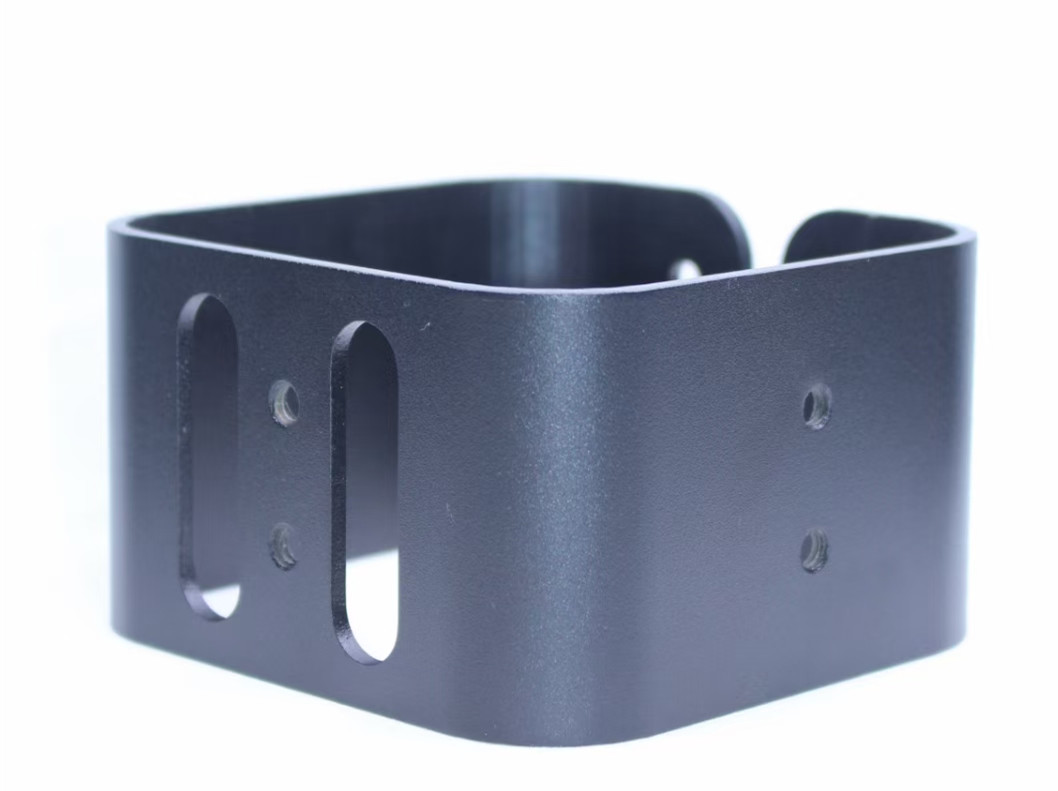
Ridiculous quotes and outright ghosting usually come down to one thing: most shops are built for either one-off prototypes, where speed carries a premium price, or mass production, where nothing under 10,000 units gets real attention. Aluminum CNC Machining at Easoonmade is built specifically for what we call bridge production — the 100-to-1,000 unit range that falls squarely between those two extremes. A 100-piece order isn't treated as a filler job here; it's treated as a critical stage in a product's growth, with transparent pricing, integrated anodizing, and the professional communication small-batch innovators actually deserve.
The Pain Points: Why the Hundred-Piece Order Is So Frustrating
There's a genuine no-man's-land in hardware sourcing, and if it's ever felt like begging someone to take your money, these are the walls responsible.
The setup cost trap. Setting up a 5-axis CNC mill takes roughly the same amount of time whether the run is 1 part or 1,000. A 4-hour setup costing $400 adds $400 to a single prototype, or $0.40 to a mass-production part — but on a 100-piece order, that same setup adds a full $4.00 to every single part. Most shops never explain this; they just send a quote that looks absurd on its face.
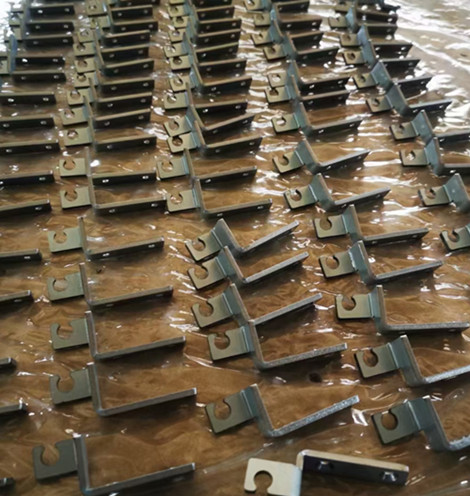
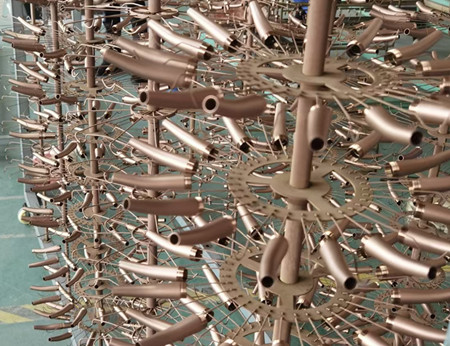
The anodizing minimum. Anodizing is inherently a batch process — mixing chemicals, prepping tanks, and running current takes the same steps whether there's 1 part in the tank or 500. Most anodizers charge a minimum lot fee, often $150–$250, and for a run of 100 small parts, that anodizing cost can genuinely exceed the machining cost itself.
The big-fish bias. Large manufacturers are hunting for forever contracts. An RFQ for 100 pieces reads to them as a hobbyist project requiring a lot of hand-holding for very little profit — so the email lands at the bottom of the pile, or in the trash.
The communication vacuum. Knowing whether a design is actually manufacturable (DFM) matters just as much at 100 units as at 10,000 — but low volume usually means a shop's engineers won't spend the time to say so, leaving a designer guessing whether the target price is even realistic.
Five Concrete Solutions: How to Get Your 100 Aluminum Parts Made Right
1. Design for Multi-Part Fixturing
If a shop can machine 10 parts at once on a single fixture, the price per part drops significantly.
The solution: ask specifically whether multi-part fixturing is available. Custom jigs designed for a 100-piece order let parts run in batches, spreading that fixed setup time across far more units and lowering the effective per-part cost.
2. Standardize the Material — Stick to 6061-T6
It's common to over-engineer a part by specifying an exotic aluminum alloy the shop doesn't stock.
The solution: unless the application genuinely demands it, 6061-T6 remains the most common, most machinable, and best-anodizing alloy on the market. Buying it in bulk lets a shop pass real material savings through even on an order as small as 100 units.
3. Optimize for Batch Anodizing
The minimum lot charge doesn't have to sink a small project.
The solution: group similar customer orders together in the same tank cycle. Running "matte black" for three different clients in a single anodizing batch makes it possible to offer professional-grade finishing to 100-piece customers without the full standalone minimum-charge penalty.
4. Use a Bridge Specialist, Not a Prototype Shop
Prototype-focused shops — including many high-end digital platforms — are built for 24-hour turnaround on a single unit, and that speed comes at a steep price for 100 units.
The solution: look specifically for a manufacturer positioned for low-to-mid volume production. A facility structured around that gap keeps the high-speed CNC capacity needed for real production while staying genuinely profitable on smaller runs — meaning small orders aren't an afterthought, they're the actual business.
5. Provide a Production-Ready RFQ Package
Getting a fast reply from a busy shop comes down to looking like a professional buyer, not a dreamer with a sketch.
The solution: send a clean STEP or IGES file, a PDF drawing that highlights only the truly critical tolerances (avoid over-tolerancing), a specified anodizing type (Type II, Class 2, black, for example), and a target price and timeline. A complete package like that can often be quoted within 15 minutes — which makes an engineer far more likely to actually hit reply.
Comparison Table: Sourcing 100 Aluminum Parts
|
Feature |
Prototype Service (Digital) |
Traditional Large Factory |
Easoonmade (Bridge Specialist) |
|
Response speed |
Instant, AI-based |
Very slow, weeks |
Fast, 24–48 hours |
|
Pricing for 100 pcs |
Very high |
"Ridiculous" or high MOQ |
Competitive |
|
Anodizing support |
Basic, expensive |
Bulk only |
Integrated, batch-optimized |
|
DFM feedback |
None, automated only |
None for small orders |
Included engineering review |
|
Material choice |
Standard only |
Bulk standard only |
6061, 7075, and more |
|
Best for |
1–5 prototypes |
10,000+ units |
100–1,000 units |
FAQ: Everything You Need to Know About Small-Batch Aluminum CNC
Q: Why was I quoted $50 per part for a simple aluminum bracket? It's almost always the setup-fee math. A $500 setup fee spread across just 10 parts is $50 per part before the metal is even purchased. At 100 parts, that same setup drops to $5 per part — which is exactly why intelligent batch scheduling matters so much at this volume.
Q: Which aluminum grade gives the best show-quality anodized finish? 6061 is excellent for most applications, but 7075 can sometimes produce a denser, more vibrant result for a truly premium look. For roughly 95% of applications, though, 6061 remains the best balance of cost and finish quality.
Q: Can you still help if my 3D file isn't perfect? Yes — unlike automated instant-quote platforms that simply reject an imperfect file, a real engineering review will flag a feature that's impossible to machine or would unnecessarily double the cost, and suggest a fix instead of just rejecting the order.
Q: Is 100 pieces too small a batch to ship internationally? Not at all. Small batches of aluminum parts typically ship via air express (DHL, FedEx, UPS) — lightweight enough that they usually arrive in the US or Europe within 3–5 days of leaving the factory.
Q: What's the difference between Type II and Type III anodizing? Type II is decorative anodizing, used for color and basic corrosion resistance. Type III is hard anodizing, producing a much thicker, wear-resistant layer, usually in dark grey or black. For a 100-piece consumer goods run, Type II is the standard choice.
Conclusion: Your Project Is Worth Our Time
The hardware world is full of ghosted engineers and quotes that don't make sense on paper. The real problem was never the 100-piece volume — it's the manufacturer's business model.
Today's 100-piece prototype is often tomorrow's 100,000-piece market leader. Aluminum CNC machining and anodizing built specifically to bridge the gap between concept and commercial success means machining metal isn't the whole job — helping a business actually scale, without the ridiculous pricing or the silent treatment, is.
Stop searching and start building. Upload your CAD files to Easoonmade today for a transparent, professional quote on your 100-piece aluminum project.
Comment