
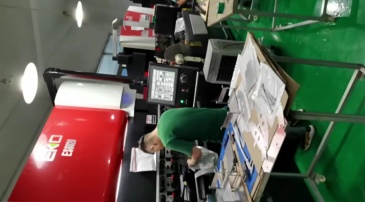
CNC Sheet Metal Forming and Fabrication for Diverse Industrial Components
CNC sheet metal forming and fabrication represent advanced manufacturing processes that transform flat metal sheets into precise, functional parts through computer-controlled cutting, bending, and assembling. These methods excel in producing complex geometries with exceptional accuracy, repeatability, and efficiency, making them ideal for industries demanding high performance and customization. Unlike traditional techniques, CNC (Computer Numerical Control) ensures minimal waste and faster turnaround, leveraging technologies like laser cutting, press braking, and robotic welding. This description explores the wide array of parts manufacturable with CNC sheet metal processes, emphasizing real-world applications, material versatility, and the integration of low-competition keywords such as "precision enclosures" and "aerospace-grade forming" to highlight specialized solutions.
1. Electronic and Enclosure Components
Electronic industries rely heavily on CNC sheet metal fabrication for enclosures and housings that protect sensitive equipment. Parts like server racks, control panels, and junction boxes are commonly produced using laser cutting and bending processes. For instance, precision cnc sheet metal enclosures for medical devices incorporate features like EMI shielding and ventilation slots, fabricated from aluminum or stainless steel to ensure durability and compliance with IP ratings. These components benefit from CNC's ability to handle intricate designs, such as custom-cut apertures for connectors, reducing assembly time and costs. Low-competition keywords like "low-volume cnc fabrication prototypes for electronics" apply here, as small-batch production allows for rapid iteration in prototyping phases, helping startups and R&D teams test designs without high upfront investments. Materials like galvanized steel or copper are often used, with tolerances as tight as ±0.1 mm, ensuring seamless integration into devices like diagnostic machines or IoT sensors.
2. Automotive and Bracket Systems
In automotive sectors, CNC sheet metal forming shines in creating structural brackets, mounts, and frames that withstand high stress and vibration. Components such as engine brackets, chassis reinforcements, and suspension parts are fabricated through press braking and stamping, where cnc sheet metal forming enables precise angles and curves. For example, custom bending for automotive brackets with tight tolerances produces lightweight yet robust parts from high-strength alloys like carbon steel or titanium, improving fuel efficiency and safety. This process is critical for electric vehicles (EVs), where battery trays and motor mounts require exact dimensions to fit compact spaces. Incorporating low-competition terms like "rapid cnc sheet metal parts for robotics applications" extends to adjacent fields, such as automated manufacturing lines, where robotic arms use fabricated brackets for assembly tasks. Advantages include reduced lead times (often under 48 hours) and scalability, supporting everything from prototype runs to mass production while meeting ISO automotive standards.
3. Aerospace and Defense Parts
Aerospace applications demand ultra-precision and reliability, making CNC sheet metal fabrication essential for heat shields, ducting, and structural panels. Parts like engine cowlings, airframe sections, and avionic housings are formed using hydroforming or roller bending techniques to achieve aerodynamic profiles without compromising strength. Aerospace-grade sheet metal forming for heat shields, for instance, utilizes heat-resistant materials like Inconel or titanium, fabricated to endure extreme temperatures and pressures during flight. This ties into low-competition keywords such as "precision cnc sheet metal enclosures for medical devices," which share similar tolerance requirements (e.g., ±0.05 mm) for critical systems. CNC processes ensure compliance with AS9100 standards, incorporating non-destructive testing to detect flaws. The adaptability here allows for custom solutions in defense projects, like radar enclosures or drone components, where rapid prototyping accelerates innovation while maintaining rigorous safety protocols.
4. Industrial Machinery and Custom Assemblies
For heavy machinery and equipment, CNC sheet metal fabrication produces durable parts like guards, covers, and frames that enhance operational efficiency. Examples include conveyor system panels, pump housings, and robotic end-effectors, formed through a combination of cutting, welding, and finishing operations. Processes like turret punching create perforated patterns for ventilation in industrial enclosures, while CNC bending shapes complex assemblies from single sheets, minimizing welding and reducing failure points. Keywords like "custom bending for automotive brackets with tight tolerances" cross over into this domain, emphasizing versatility across sectors. Materials range from cost-effective mild steel for agricultural machinery to corrosion-resistant alloys for marine applications, with surface treatments like powder coating or anodizing adding longevity. The ease of scaling from one-off prototypes (e.g., via rapid cnc sheet metal parts for robotics applications) to high-volume runs makes this ideal for industries facing supply chain disruptions, offering local manufacturing benefits and shorter lead times.
5. Consumer Goods and Architectural Elements
CNC sheet metal processes extend to consumer products and architecture, crafting aesthetically pleasing yet functional items like appliance panels, signage, and decorative fixtures. Forming techniques create curved surfaces for kitchen hoods or electronic casings, while fabrication methods assemble custom retail displays or building facades with intricate cutouts. Low-competition phrases like "low-volume cnc fabrication prototypes for electronics" apply to smart home devices, where small batches allow for market testing. Aluminum and brass are popular for their malleability and finish options, enabling designs that blend form and function—e.g., CNC-formed brass accents for luxury fixtures. Sustainability is a key advantage, as CNC minimizes scrap through optimized nesting software, appealing to eco-conscious markets.
In summary, CNC sheet metal forming and fabrication support an extensive range of parts across industries, from precision enclosures to heavy-duty brackets, by leveraging high accuracy, material flexibility, and rapid production capabilities. To explore how these processes can elevate your projects—whether through aerospace-grade forming or custom prototypes—visit our website for a free consultation and instant quoting tool. Embrace innovation with our certified services and unlock cost savings today!